
Brunellia comocladifolia
Brunellia comocladifolia
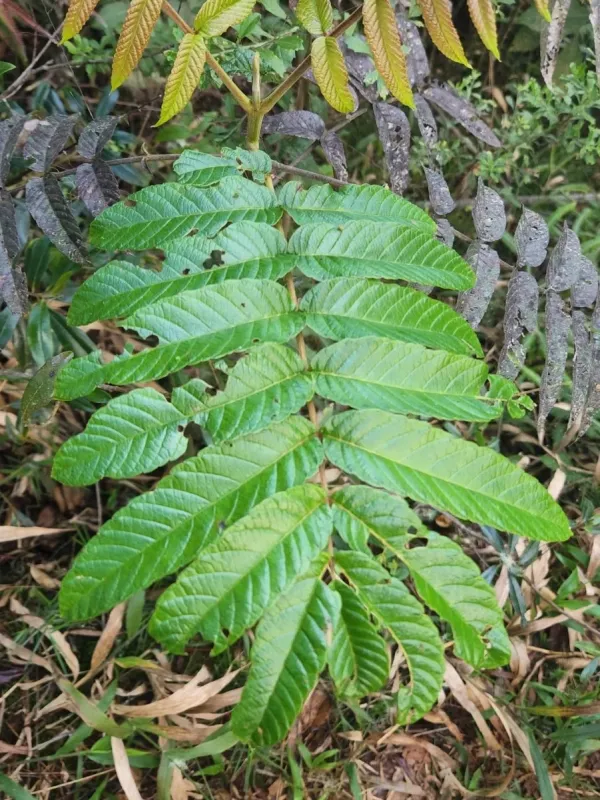
Description
Growing requirements
Brunellia comocladifolia belongs to the Brunelliaceae family and is an evergreen tree species native to the cloud forests of Central and South America and the Caribbean.
The plant thrives in high-altitude environments, specifically in regions where temperatures remain cool and humidity levels are high throughout the year.
It requires deep, well-drained, and nutrient-rich soil to support its robust root system and maintain steady growth under forest canopy conditions.
Environmental stability is crucial for this species, as it is particularly sensitive to prolonged heat stress and drastic changes in water availability.
In its native habitat, it acts as a key canopy tree, providing shelter for diverse epiphytic species and maintaining the structural integrity of mountain forest ecosystems.
Yield
The economic utilization of Brunellia comocladifolia is primarily centered around its wood, which is valued locally for construction and artisanal woodwork.
Biological yield depends heavily on the tree's access to organic matter and rainfall, making it a reliable species for reforestation efforts in mountain areas.
In agroforestry systems, the tree contributes to soil stability and improves overall land quality by enriching the forest floor with its organic leaf litter.
While not a typical high-yield industrial crop, its biomass production is significant enough to support selective harvesting in managed forest environments.
Future potential lies in sustainable harvesting techniques that preserve the ecological balance while providing consistent timber supplies for local markets.
Main diseases and pests
The primary threats to this species involve climate change, which is gradually raising average temperatures in montane regions and threatening the cloud forest habitat.
Fungal pathogens represent a major risk, especially when trees are weakened by erratic weather patterns or improper drainage in plantation settings.
Various insect pests, including wood-boring larvae and defoliators, can jeopardize young trees, causing significant growth delays or mortality if left untreated.
Habitat fragmentation due to land conversion for agriculture severely impacts the regenerative capacity of these trees in the wild.
Regular surveillance and integrated pest management are essential practices to ensure the health and longevity of Brunellia comocladifolia populations.