
Brunellia integrifolia
Brunellia integrifolia
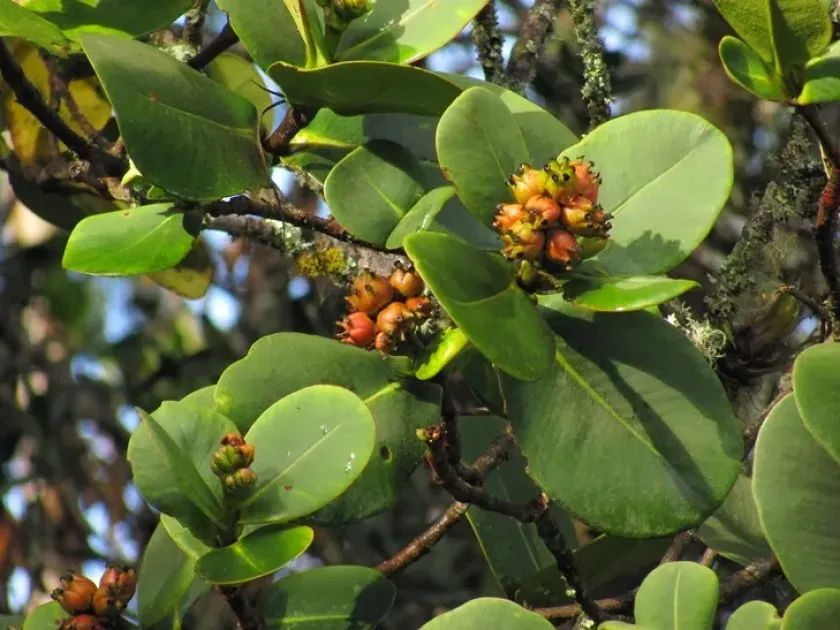
Description
Growing requirements
Brunellia integrifolia is a tree species belonging to the Brunelliaceae family, predominantly native to the high-altitude tropical forests of the Andes. This species is an essential component of the cloud forest ecosystems, characterized by its evergreen foliage.
Geographically, its range extends across countries such as Colombia, Venezuela, and Ecuador. The plant thrives in high-elevation montane environments where temperatures are consistently cool and the moisture levels remain high throughout the year.
Botanically, the species is defined by its odd-pinnate leaves with entire margins, which sets it apart within the genus. The tree typically exhibits a strong, upright growth habit, capable of maturing into a large, ecologically significant canopy tree.
Regarding cultivation requirements, the species demands deep, well-draining soils with high organic content. It is sensitive to environmental stressors such as drastic temperature fluctuations or prolonged drought conditions, which can inhibit its primary growth phases.
In terms of хозяйственное (economic) utility, Brunellia integrifolia is managed primarily for silvicultural restoration. The timber produced by this tree is recognized for its durability, making it useful in localized construction and traditional woodwork.
Main diseases and pests
Major phytosanitary threats include soil-borne pathogens that target the root system in poorly drained sites. Fungal infections are common when water-logging occurs, often requiring strict management of irrigation and site topography.
Insect pests such as wood-boring larvae can compromise the structural integrity of the trunks. Integrated pest management strategies, emphasizing the natural resistance of the species, are the most effective way to protect commercial and conservation plantings.