
Ricotia lunaria
Ricotia lunaria
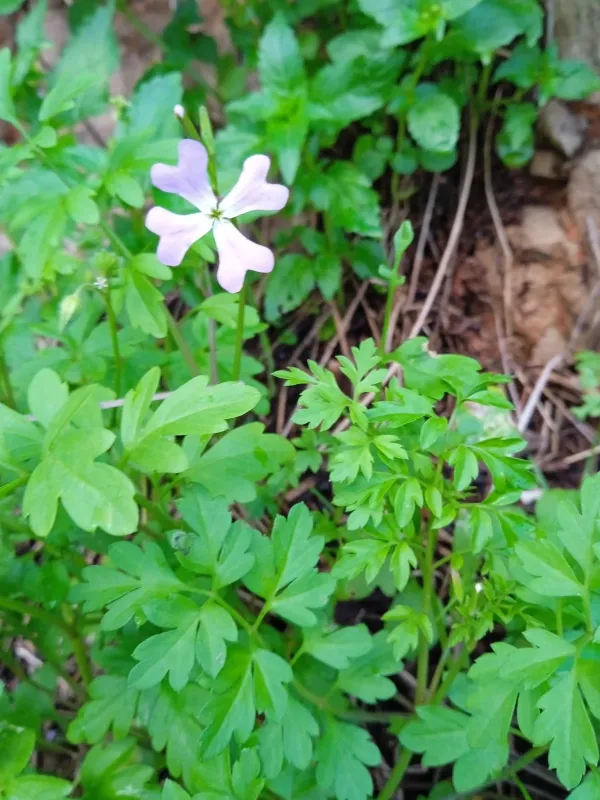
Description
Sowing dates
The sowing of Ricotia lunaria is generally performed in early spring once the soil temperature is sufficient to support germination of the seeds.
For colder climates, sowing can be conducted in protective structures or frames, ensuring that the seeds are covered by a light layer of substrate.
It is important to maintain consistent soil moisture during the germination period, as the seeds are sensitive to drying out too quickly after initiation.
Row spacing should be maintained between 25 and 40 centimeters, depending on the specific method of cultivation and the desired density of the plant population.
Once seedlings emerge, irrigation must be carefully managed to avoid damping-off, a condition to which young seedlings of the mustard family are susceptible.
Growing requirements
As a member of the Brassicaceae family, Ricotia lunaria requires well-drained, alkaline or neutral soils to ensure optimal nutrient uptake and root health.
The plant thrives in Mediterranean-type climates, characterized by bright, direct sunlight and moderate ambient temperatures throughout the growing season.
Soil aeration is critical; compact or heavy clay soils must be amended with organic matter or sand to prevent root suffocation and improve overall soil structure.
Fertilization should be applied moderately, focusing on phosphorus and potassium to encourage robust flowering and structural development of the plant stems.
Avoid excessive nitrogen fertilization, as it may lead to lush vegetative growth that is more prone to lodging and increased susceptibility to various pests.
Main diseases and pests
The most common pests affecting Ricotia lunaria include flea beetles, which can cause significant damage by creating small holes in the leaves during early development.
Aphids may colonize the tender tissues of the plant, especially during periods of stress, necessitating timely scouting and integrated pest management practices.
Fungal pathogens such as downy mildew can become an issue if the plants are grown in areas with poor ventilation and persistently high humidity levels.
Root rot, caused by various soil-borne pathogens like Pythium or Phytophthora, is often the result of poor drainage and over-saturation of the substrate.
Regular sanitation, such as the removal of dead plant material and crop rotation, is highly recommended to minimize the risk of disease spread within the planting area.