
Acuston perenne
Acuston perenne
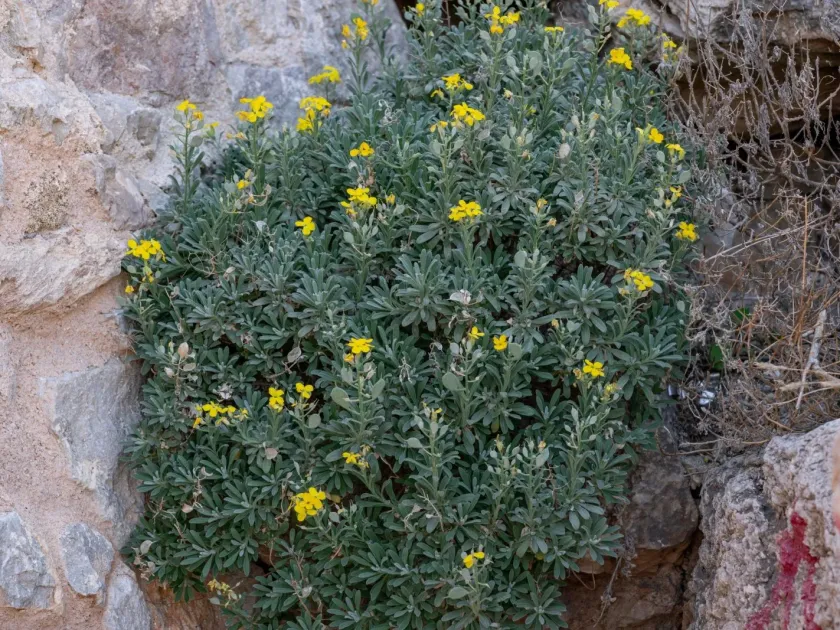
Description
Sowing dates
Acuston perenne is a crop where timing is essential for establishing a robust root system. The ideal sowing period is early spring, once the soil has consistently warmed up to 8–10 degrees Celsius, ensuring favorable germination conditions.
Seeds should be planted at a depth of 2–3 centimeters. Excessive burial depth can hinder emergence, while shallow sowing risks moisture loss. Proper soil contact is necessary to achieve uniform seedling density across the field.
In temperate zones, late-autumn sowing is a viable option, provided that seeds with high germination vigor are used. Mulching the area helps protect the soil surface and ensures that growth begins promptly as soon as the weather permits in the spring.
Maintaining soil moisture during the first two weeks of the growth cycle is vital. Any significant drought during this stage can cause seedling mortality and lead to gaps in the field, which are difficult to address later in the season.
Row spacing should ideally range between 45 and 60 centimeters. This provides sufficient space for root development and allows for proper aeration, which is crucial for the long-term health of this perennial crop.
Growing requirements
This crop thrives in well-drained loam or sandy loam soils with a neutral or slightly acidic pH. Waterlogging must be strictly avoided, as the root system is highly sensitive to hypoxia and fungal decay in saturated soils.
Acuston perenne is a sun-loving plant that requires full exposure to sunlight for maximum efficiency. Any significant shade can lead to leggy growth and a substantial reduction in the overall yield of the cultivated biomass.
The optimal temperature for development is between 18 and 24 degrees Celsius. In these conditions, the plant efficiently synthesizes nutrients and develops strong foliage, which supports the energy storage required for overwintering.
A balanced fertilization program, with an emphasis on potassium and phosphorus, is recommended to ensure winter hardiness. Excessive nitrogen application should be avoided, as it encourages weak vegetative growth and increases vulnerability.
Weed control is critical, especially during the first year of establishment. As the plant is slow to get established, using mechanical weeding or selective herbicides is necessary to ensure the crop has no competition for light and nutrients.
Yield
The yield of Acuston perenne improves significantly as the plant matures, with peak production occurring from the third to the fourth year of cultivation. The mature root system acts as an energy reservoir, fueling vigorous growth every season.
When best practices are followed, the crop provides a stable and consistent harvest. Growers should focus on maintaining the health of the foliage, as it directly influences the growth and strength of the underground plant parts.
Periodic rejuvenating pruning helps keep the plantation in a highly productive state for several years. This technique encourages the production of new, active shoots, allowing the plantation to remain profitable for 6–8 years.
Crop rotation remains the best strategy for maintaining yield levels. Avoiding the monoculture of this crop on the same site for more than 8 years prevents the buildup of soil-borne pathogens and nutrient depletion.
Drip irrigation systems are highly recommended to maximize yield. By providing water and nutrients directly to the root zone, growers can achieve higher consistency in product size and quality, even during hot and dry summer months.
Main diseases and pests
Root rot is the most significant threat to this crop, particularly when drainage is poor. To mitigate this risk, growers should ensure fields are properly leveled and avoid heavy, compacted soils that trap moisture near the roots.
Wireworms can pose a problem by damaging the roots of young plants. Integrated pest management, including regular field monitoring and the use of targeted biological controls, is essential to keep populations below economic damage thresholds.
Powdery mildew may occur during humid periods with moderate temperatures. Increasing spacing between plants or applying environmentally friendly fungicides can effectively manage the disease without harming the local ecosystem.
Nematode infestations can limit the plant's ability to absorb nutrients, leading to stunted growth. Maintaining a healthy soil structure and ensuring the area is free of host weeds can effectively prevent severe nematode pressure.
Early detection is the cornerstone of effective plant protection. Weekly scouting allows for the quick identification of stress signs, enabling localized treatments that minimize the need for broad-spectrum chemical interventions.
Harvesting
Harvesting should be conducted when the accumulation of target compounds in the plant reaches its maximum. This timing is determined by observing the physiological development and the color shift of the foliage.
Specialized harvesting machinery is typically used to extract the roots or biomass with minimal mechanical damage. Gentle handling is crucial for maintaining the quality and market value of the harvested produce.
Post-harvest processing begins with removing excess soil and sorting the product. Leaving the harvest exposed to direct sun can lead to dehydration and loss of quality, so rapid transport to a processing facility is advised.
Drying must occur in well-ventilated conditions or within climate-controlled drying facilities. This process is essential to preserve the bioactive properties of the product and to ensure a long and safe shelf life for the materials.
After the harvest is complete, the field should be plowed or tilled to incorporate remaining organic matter into the soil. This prevents the accumulation of plant-borne diseases and improves the soil structure for the next crop.