
Trigonotis brevipes
Trigonotis brevipes
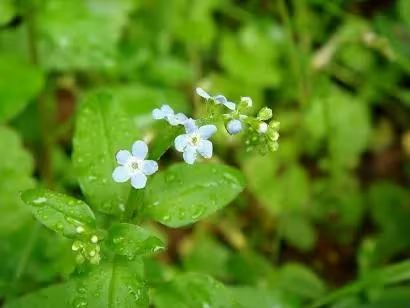
Description
Growing requirements
Trigonotis brevipes belongs to the Boraginaceae family, characterized by its unique morphological traits. It is primarily identified as a woodland or mountain-slope species that thrives in specific ecological niches.
The cultivation of this plant requires a location with partial shade to mimic its natural habitat. Direct, intense sunlight should be avoided to prevent leaf scorch and dehydration during the peak summer months.
Optimal soil conditions include a rich, loamy, and well-draining medium. The plant thrives in moist environments but cannot tolerate waterlogging, which necessitates careful soil preparation and drainage management.
Climate adaptation focuses on cool, temperate regions where humidity levels remain consistent throughout the growing season. Protecting the root zone from extreme temperature fluctuations is essential for long-term survival.
Agricultural management involves consistent watering routines and minimal soil disturbance. Using organic matter as a top-dressing can help mimic the leaf litter environment found in their native forest ecosystems.
Main diseases and pests
Fungal pathogens such as powdery mildew are common threats, especially when the plant is grown in conditions with poor air circulation. High humidity combined with stagnant air significantly increases infection rates.
Gastropods, including slugs and snails, are particularly attracted to the soft tissues of Trigonotis brevipes. Protective measures are necessary to prevent defoliation during early vegetative growth stages.
Root rot is the most common physiological disorder caused by improper watering practices. Ensuring that the soil structure remains aerated is critical to preventing anaerobic conditions in the root zone.
Sap-sucking insects like aphids may colonize the flower stalks, causing stunted development. Integrated pest management techniques should be employed to control populations without damaging the plant's delicate structures.
Disease prevention is largely dependent on site hygiene. Regularly removing debris and keeping the surrounding area free of weeds reduces the likelihood of transferring soil-borne diseases to the main crop.