
Trigonotis clavata
Trigonotis clavata
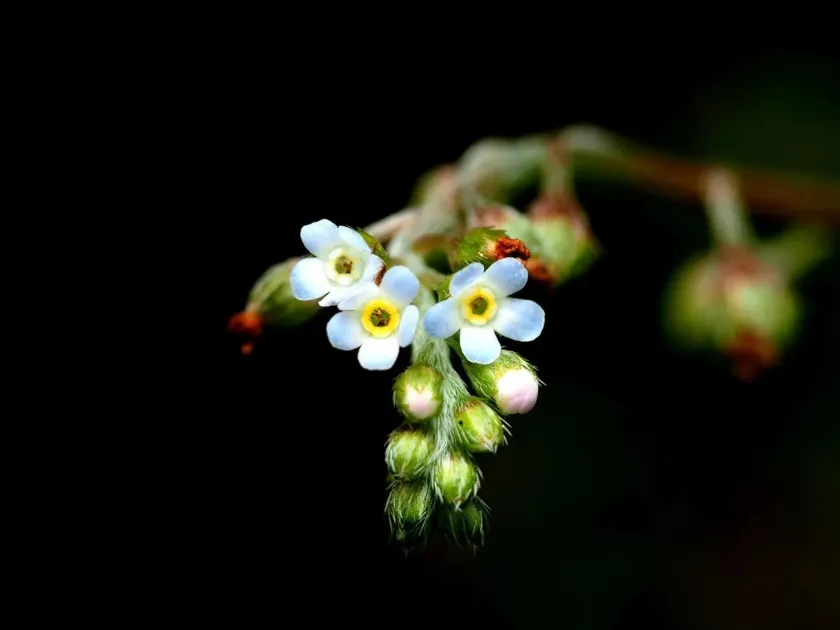
Description
Sowing dates
Trigonotis clavata belongs to the Boraginaceae family and is a perennial herb. Successful cultivation starts with understanding its biological requirements for propagation, which typically involve seed dormancy management.
Sowing in open ground is best executed during the autumn season. The seeds require exposure to cold temperatures during the winter, which acts as a natural stratification process, ensuring uniform germination in early spring.
When spring sowing is planned, seeds must undergo artificial stratification. Keeping them in moist sand within a refrigerator at 2–5 degrees Celsius for several weeks significantly improves the germination rate.
The sowing depth should be shallow, approximately 0.5 centimeters. Covering seeds with a thin layer of fine soil or vermiculite helps maintain the necessary moisture levels without inhibiting the light exposure required for some seeds.
Seedlings should be transplanted to their permanent location once they develop their first true leaves. Proper spacing of 25 centimeters between plants is essential to ensure adequate airflow and prevent overcrowding.
Growing requirements
This species thrives in partial shade conditions. Exposure to direct afternoon sun can lead to leaf scorching and rapid water loss, significantly reducing the plant's overall health and vitality.
The soil must be rich in organic matter, well-draining, and slightly acidic or neutral. Soils that are prone to compaction should be amended with organic compost to promote root development and moisture retention.
Water management is a crucial aspect of Trigonotis clavata care. It requires consistent soil moisture but is highly sensitive to waterlogging, which can cause roots to rot quickly in heavy clay soils.
The ideal temperature range for active growth is between 12 and 22 degrees Celsius. During extreme heat, mulching around the base of the plant with pine needles or bark helps regulate soil temperature and evaporation.
Fertilization should be balanced, focusing on promoting vegetative growth in the spring. Using a slow-release granular fertilizer ensures that nutrients are available throughout the growing season without risking fertilizer burn.
Main diseases and pests
Slugs and snails are the primary pests that affect this plant, especially during damp spring weather. Implementing physical barriers or using organic baits is recommended to protect the young foliage from damage.
Powdery mildew is a common fungal disease occurring in stagnant, humid environments. Maintaining proper plant spacing and ensuring good ventilation around the foliage are primary preventative measures.
Root rot is a major threat linked to overwatering or poor drainage. If signs of wilting appear despite moist soil, it is essential to check the roots and potentially transplant the specimen to a better-draining area.
Aphids may occasionally infest the plant during the budding stage. While usually not fatal, heavy infestations can weaken the plant and cause distorted growth, necessitating the use of insecticidal soap.
Routine inspection of the plant canopy is advised to catch any early signs of pests or disease. Early intervention is the most effective way to manage the health of this delicate botanical species.