
Lithodora zahnii
Lithodora zahnii (Halácsy) I. M. Johnst.
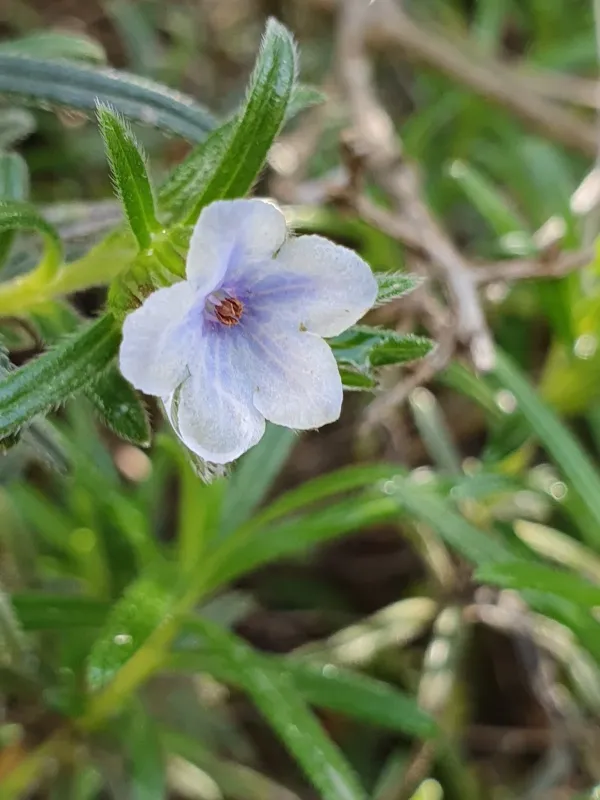
Description
Growing requirements
Lithodora zahnii is a perennial herb belonging to the Boraginaceae family. It is a distinctive plant species, primarily endemic to rocky habitats in Greece, which dictates its specific needs for garden cultivation.
Botanically, it presents as a low-growing semi-shrub featuring narrow, hairy leaves. This pubescence is an adaptive trait that helps the plant retain moisture, allowing it to thrive in arid and exposed environments.
For successful cultivation, excellent drainage is the single most important factor. Lithodora cannot tolerate waterlogged roots, so it is highly recommended to plant it in rocky or gritty soil, ideally with a neutral to slightly alkaline pH.
The plant requires full sun to maintain its compact habit and produce its signature blue flowers. Exposure to direct sunlight is essential for healthy development and prevents the foliage from becoming leggy or prone to disease.
In landscaping, this species is highly valued for its use in rock gardens, scree beds, and as an ornamental ground cover. It is an excellent choice for xeriscaping, as it maintains its aesthetic appeal while requiring minimal water once established.
Main diseases and pests
The primary threat to the health of Lithodora zahnii is excessive moisture. Poor drainage during wet seasons often leads to root rot, which is the leading cause of plant mortality in ornamental settings.
Powdery mildew can occur in areas with stagnant air and high humidity. Ensuring proper spacing and airflow between plants is a critical cultural practice to mitigate this risk.
Spider mites are the most common pests, particularly during hot and dry summer months. They feed on the foliage, and if left untreated, can severely weaken the plant and cause leaf discoloration.
Gastropods like snails and slugs can damage tender new growth. Using coarse grit or gravel as mulch around the base of the plant acts as a physical barrier and effectively reduces damage from these pests.
Integrated pest management, including regular visual checks and maintaining appropriate soil conditions, is key to success. Fungicides should be applied sparingly and only when clear symptoms of fungal infection are present.