
Lithodora hybrids
Lithodora hybrids
Description
Growing requirements
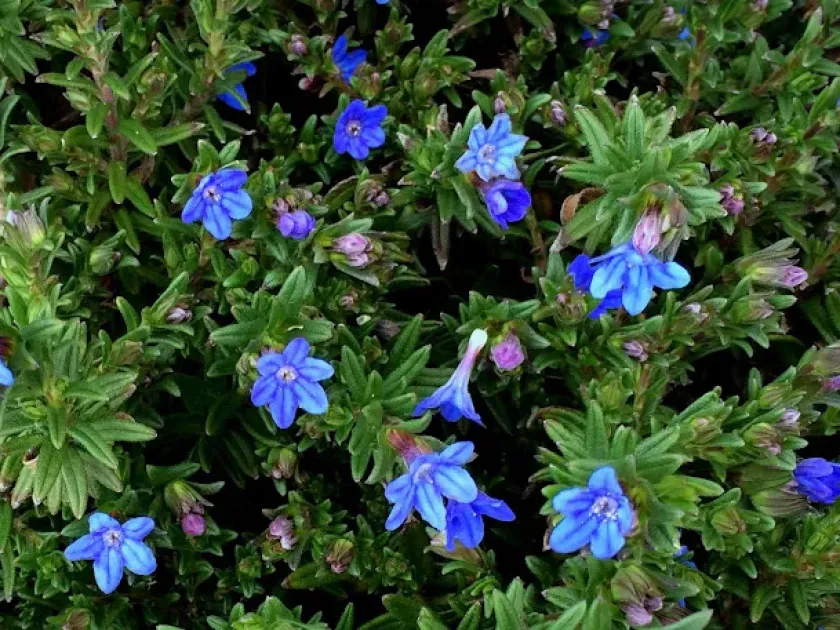
Lithodora hybrids belong to the Boraginaceae family and are highly valued in horticulture for their striking, vibrant blue blossoms. These evergreen or semi-evergreen subshrubs form dense, low-growing mats, making them an excellent choice for rock gardens and perennial borders.
These plants thrive in full sun to partial shade and require well-draining soil to prevent root rot. Proper aeration and a sandy or gritty substrate are essential for maintaining the health of the plant, especially in regions with high precipitation levels throughout the growing season.
One of the most critical factors for successful cultivation is soil pH; Lithodora is a strict calcifuge, meaning it requires acidic to neutral soil. Planting in alkaline conditions will inevitably lead to iron chlorosis, characterized by yellowing leaves and reduced flowering performance.
Regarding climate, the plant prefers cool to moderate temperatures and high humidity, while being sensitive to hot, dry summer winds. In colder climates, mulch is required to protect the root system from deep freezes, and a protective cover may be necessary during severe winter months.
General maintenance involves light pruning after the flowering season to encourage compact growth and future bud development. Fertilization should be kept to a minimum, as these plants prefer lean soils, and any excess nitrogen can result in excessive vegetative growth at the expense of flowers.
Main diseases and pests
The most common disease affecting Lithodora is root and crown rot, typically caused by waterlogged soil conditions. To mitigate this risk, it is vital to ensure optimal drainage and avoid heavy irrigation schedules, particularly during dormant or wet seasons.
Pests like spider mites are the primary threat during hot, dry periods, potentially causing leaf stippling and overall plant decline. Frequent inspection of the underside of leaves and the application of horticultural oils or miticides can effectively manage these infestations.
Slugs and snails can also damage new growth, particularly in damp garden environments, necessitating the use of barrier controls or eco-friendly baits. Vigilance in the early spring months is crucial to protect emerging foliage from these common garden mollusks.
Fungal leaf spots can occasionally develop if air circulation is insufficient or if the plant remains wet for extended periods. Pruning to improve airflow and applying preventive fungicide treatments can safeguard the plants from significant aesthetic damage.
Plant stress resulting from poor soil conditions or improper placement often predisposes Lithodora to secondary pathogens. Maintaining the correct chemical balance of the soil and monitoring the plant’s health regularly are the best practices for preventing widespread disease outbreaks.