
Lithodora hispidula
Lithodora hispidula
Description
Growing requirements
Lithodora hispidula is a perennial evergreen subshrub belonging to the Boraginaceae family. Native to the eastern Mediterranean, specifically parts of Turkey and nearby islands, it is highly adapted to rocky, calcareous, and nutrient-poor environments where few other plants can thrive.
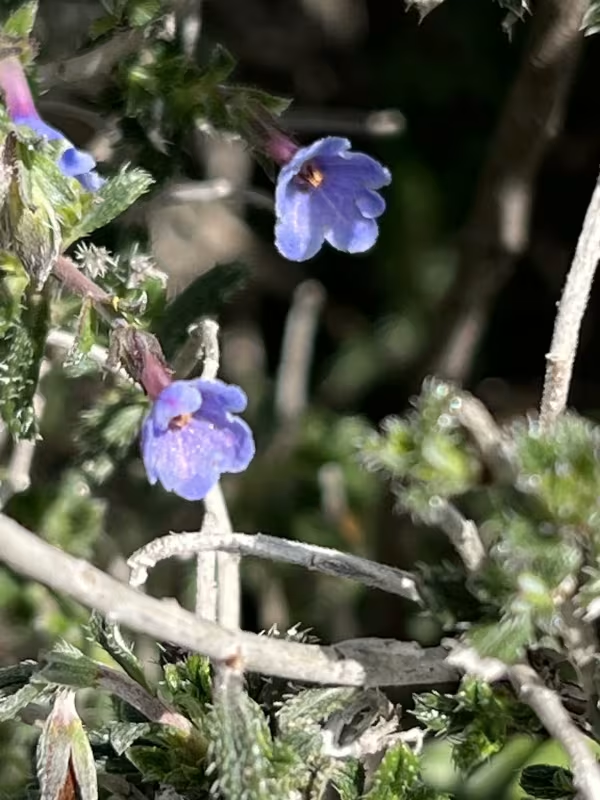
The plant is characterized by its prostrate, densely branched growth habit and small, hispid (bristly) leaves. These hairs serve as an adaptation to minimize water loss, reflecting its natural habitat in dry, sun-exposed mountainous or coastal regions.
Cultivation requires conditions that mimic its native environment: full sun and exceptionally well-drained, gritty or sandy soil. It is particularly sensitive to waterlogging, which often leads to root rot, especially during cooler, wetter months when the plant is not actively growing.
Soil pH should ideally be neutral to slightly alkaline. The plant does not respond well to rich, fertile, or heavy clay soils, which can interfere with the drainage required for its health and lead to premature failure of the root system.
In terms of agricultural and horticultural use, Lithodora hispidula is prized as a ground cover for rock gardens, stone walls, and xeriscaping. Its brilliant blue flowers and year-round green foliage make it a staple for low-maintenance, drought-tolerant landscapes.
Main diseases and pests
Root rot is the most significant threat to Lithodora hispidula, typically caused by poor drainage or overwatering. Maintaining dry conditions around the root crown is essential for long-term plant survival.
Fungal infections, including powdery mildew, can occur in poorly ventilated areas or during prolonged periods of high humidity. Proper plant spacing is recommended to ensure adequate airflow between individual specimens.
Pests like spider mites may occasionally affect the foliage during hot, dry spells. Keeping the plant hydrated and observing general hygiene in the garden helps mitigate these minor infestations without needing chemical intervention.
Winter care is critical; the plant requires protection from extreme cold and excessive moisture, which can cause the leaves and stems to rot. Use permeable covers that allow gas exchange while shielding the plant from harsh winds.
Sanitary pruning after the flowering period helps keep the shrub compact and prevents it from becoming straggly. Removing dead or damaged branches reduces the surfaces where pathogens might enter and improves the overall aesthetic of the plant.