
Vancouveria planipetala
Vancouveria planipetala
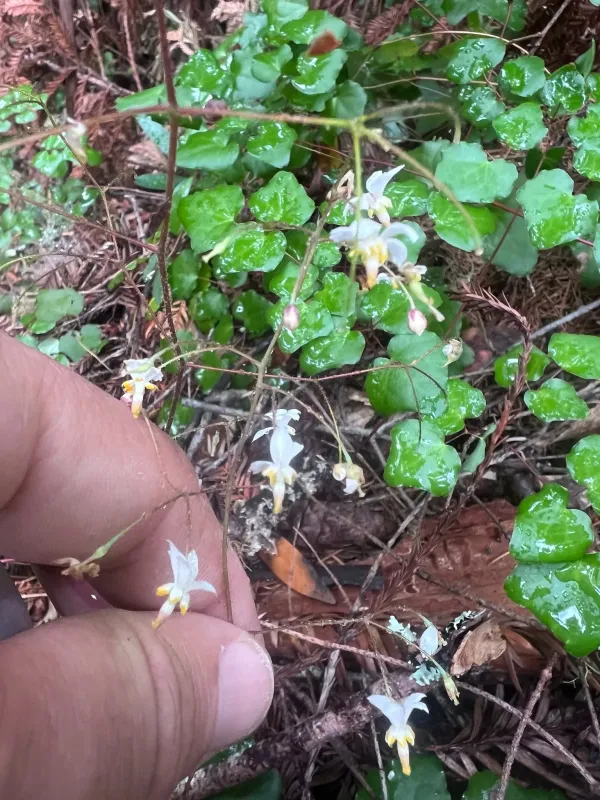
Description
Growing requirements
Vancouveria planipetala is a herbaceous perennial belonging to the Berberidaceae family. It is native to the woodland areas of western North America, primarily found in regions of Oregon and California, where it grows in the understory of coniferous forests.
The plant thrives in partial to deep shade, making it an excellent choice for woodland garden settings. It prefers locations protected from direct harsh sunlight, which can easily scorch its delicate, compound leaves and cause premature wilting.
Regarding soil requirements, the culture favors rich, well-draining, and slightly acidic forest soils. It is highly beneficial to incorporate a significant amount of leaf mold or organic compost into the substrate to mimic its natural environment.
Climate conditions play a crucial role in the development of Vancouveria planipetala. It prefers temperate zones with moderate humidity levels. While it is hardy in many climates, providing a protective mulch layer during winter is recommended in colder regions.
Maintenance involves consistent moisture management. During the active growth season, the soil should remain consistently moist. However, growers must ensure that the planting site has excellent drainage to prevent root rot, which is common in stagnant, waterlogged soils.
Main diseases and pests
Vancouveria planipetala is generally considered a low-maintenance and robust plant. It does not suffer from widespread systemic diseases, though cultural errors can weaken the plant and make it susceptible to opportunistic pathogens.
The primary pest threat includes slugs and snails, especially during the spring when tender new foliage begins to emerge. These mollusks can consume significant portions of the leaves, resulting in unsightly damage that detracts from the plant's aesthetic value.
To mitigate damage from pests, gardeners often use barriers such as crushed eggshells or copper tape around the perimeter of the planting area. In severe infestations, environmentally friendly molluscicides can be applied with caution.
Fungal issues, such as root rot, may arise if the soil remains excessively wet for long durations. Improving soil structure with grit or perlite and ensuring proper air circulation around the plants can significantly reduce the risk of such issues.
Regular inspection of the foliage is encouraged to detect any early signs of stress. By maintaining optimal soil moisture and providing a shaded, airy environment, growers can sustain healthy Vancouveria planipetala stands for many years.