
Vancouveria chrysantha
Vancouveria chrysantha
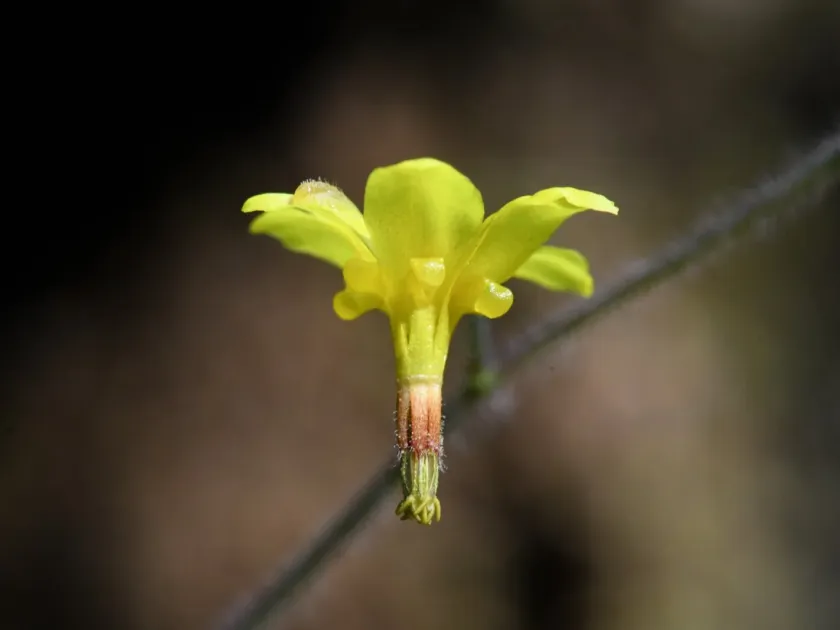
Description
Sowing dates
Propagation of Vancouveria chrysantha is typically achieved through seed germination or rhizome division. Seeds require a period of cold stratification to break dormancy.
Sowing should take place in late winter or early spring using a well-draining soil mix. Maintain temperatures between 12-16 degrees Celsius for successful germination.
Rhizome division is best performed in early spring before new growth appears. Ensure each section has at least one healthy bud to promote successful establishment.
When transplanting into the garden, spacing should be approximately 30-40 cm apart to allow for proper airflow and root expansion.
Initial watering after planting is crucial to settle the soil and eliminate air pockets around the root system for better stability.
Growing requirements
Vancouveria chrysantha belongs to the Berberidaceae family and is native to the wooded regions of Northern California and Southern Oregon.
This species thrives in partial to full shade. It is an excellent choice for woodland gardens where it can receive protection from harsh, direct sunlight.
The plant prefers rich, moist, and well-draining soil with a slightly acidic to neutral pH. Incorporating leaf mold or compost can significantly improve soil quality.
Consistent moisture is required during the active growing season. However, it is essential to prevent waterlogged conditions, which can be detrimental to the rhizomes.
Mulching the base of the plant in late autumn helps regulate soil temperature and moisture levels, providing winter protection in colder zones.
Main diseases and pests
While relatively robust, Vancouveria chrysantha can be susceptible to root rot if the planting site lacks proper drainage during rainy seasons.
Slugs and snails are the most common pests, as they are attracted to the foliage. Implementing organic barriers or bait traps is effective in preventing damage.
Fungal infections, such as leaf spot or powdery mildew, can occur in poorly ventilated areas with high humidity levels.
To mitigate these threats, gardeners should ensure adequate spacing and avoid overhead watering to keep the foliage as dry as possible.
Regular maintenance, including the removal of dead or decaying plant matter, helps reduce the environment suitable for pathogen development.