
Vancouveria hexandra
Vancouveria hexandra
Description
Sowing dates
Vancouveria hexandra, commonly known as the northern inside-out flower, belongs to the Berberidaceae family. To grow this plant from seed, sowing should be done in autumn to allow for natural cold stratification during the winter months.
Vegetative propagation via root division is the most effective and popular method for gardening. This process is best performed in early spring or late summer, allowing the plant to establish roots before experiencing seasonal temperature extremes.
When sowing seeds in containers, use a sterile, well-draining seed-starting mix. Keep the substrate consistently moist but not waterlogged, placing the containers in a shaded area to replicate the natural conditions of its forest floor habitat.
For root division, carefully lift the rhizomes from the soil and cut them into sections containing at least one healthy growth bud. Transplant these sections immediately into prepared soil, ensuring that the buds are positioned just below the surface.
Maintain proper spacing when planting divisions, as the plant spreads over time to form a dense mat. Adequate initial watering is crucial for successful establishment, ensuring the root systems make firm contact with the surrounding soil.
Growing requirements
This species thrives in partial to deep shade, making it an excellent choice for woodland gardens. It requires soil that is rich in organic matter, slightly acidic to neutral in pH, and consistently moist throughout the growing season.
Good drainage is vital for the health of Vancouveria hexandra. While the plant loves moisture, stagnant water in the soil can lead to root rot and other physiological issues that inhibit growth and weaken the plant's structural integrity.
In terms of temperature, it is a hardy perennial, but it benefits from protection in areas with harsh, dry winters. A layer of organic mulch, such as leaf mold or pine bark, helps regulate soil temperature and retain necessary moisture.
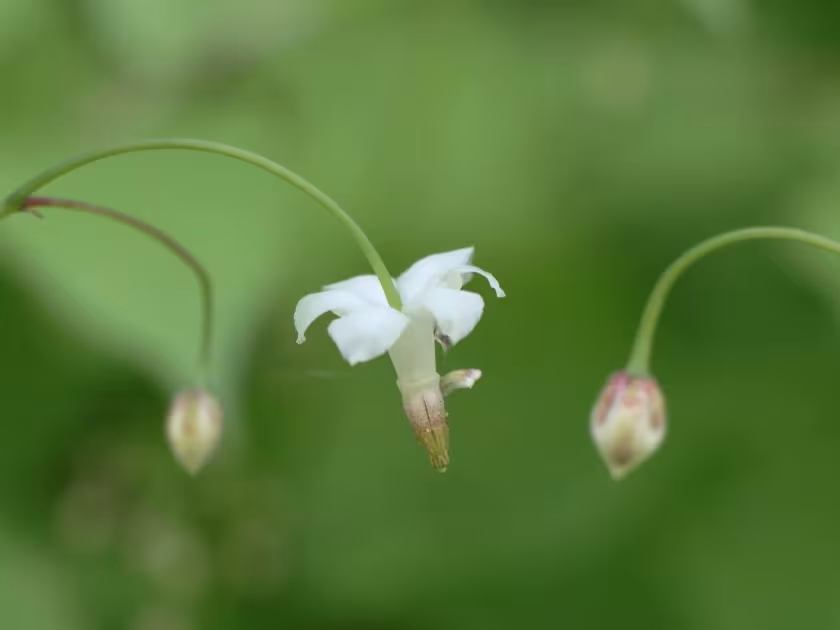
The plant features delicate, light green foliage and distinct white flowers with reflexed petals that resemble miniature lanterns. Regular monitoring of moisture levels is recommended, especially during dry spells in late spring or summer.
In landscaping, it serves as a beautiful groundcover that suppresses weeds and adds structural interest to shaded areas. It pairs well with other shade-tolerant plants like trilliums, hellebores, and various types of hardy ferns.
Main diseases and pests
Vancouveria hexandra is relatively robust and typically avoids most severe pest infestations. However, in overly damp and crowded conditions, minor fungal infections can appear on the foliage if air circulation is insufficient.
Slugs and snails are the most common pests, particularly during wet springs when they may feed on young, succulent leaves. Protective measures such as surrounding plants with coarse sand or utilizing physical barriers can effectively mitigate this damage.
Root rot remains the primary threat, usually associated with poorly drained soils or excessive watering in clay-heavy environments. Ensuring proper soil structure and organic amendments is the best preventative measure against soil-borne pathogens.
Environmental stress, such as exposure to direct afternoon sun or extreme drought, can cause leaf scorch and premature yellowing. Providing a location with consistent shade is essential for maintaining the aesthetic quality of the leaves.
No systemic insecticide applications are typically required for this plant. Maintaining good horticultural practices, such as removing debris and providing optimal growing conditions, keeps the plants healthy and vigorous for many years.