
Alzatea
Alzatea
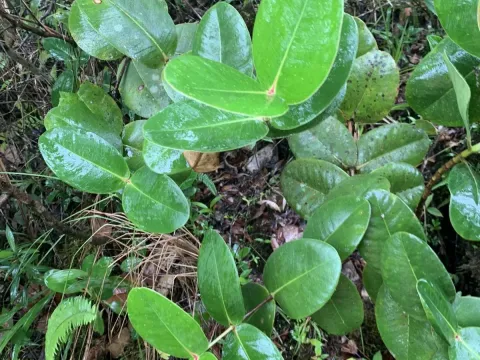
Alzatea (lat. Alzatea verticillata) is a monotypic genus of flowering plants belonging to the Alzateaceae family. It is an evergreen tree or a large shrub that can reach significant heights in its natural habitat.
What the section contains

Alzatea
This plant is endemic to the tropical regions of Central and South America. Its range extends from southern Mexico to Peru and Bolivia, including parts of the Caribbean, where the tree prefers moist montane forests.
For optimal growth, Alzatea requires a humid tropical climate with abundant rainfall throughout the year. It is sensitive to sudden temperature fluctuations, which is why it thrives best in stable mid-mountain conditions.
The plant prefers well-drained, fertile substrates rich in organic matter. Its root system is intolerant of waterlogging, causing the plant to grow extremely slowly on heavy, clay-rich soils.
From an agrotechnical perspective, Alzatea is not a commercial agricultural crop. Its cultivation is mostly limited to scientific or dendrological purposes aimed at preserving tropical biodiversity.
The primary threats to Alzatea populations include anthropogenic factors, such as deforestation and shifting climatic conditions within its native range.
In its natural environment, the plant is susceptible to specific tropical fungal diseases that affect the foliage during periods of high humidity and poor air circulation.
Phytophagous insects characteristic of moist tropical forests can damage young shoots and buds, which significantly slows the plant's growth in its early stages.
Due to the lack of widespread cultivation, effective pest protection remains a subject of field research for ecologists rather than standard agricultural practice.
Species conservation requires the protection of natural habitats and monitoring the health of areas where rare specimens are found to prevent the spread of infections.