
Alzatea verticillata
Alzatea verticillata
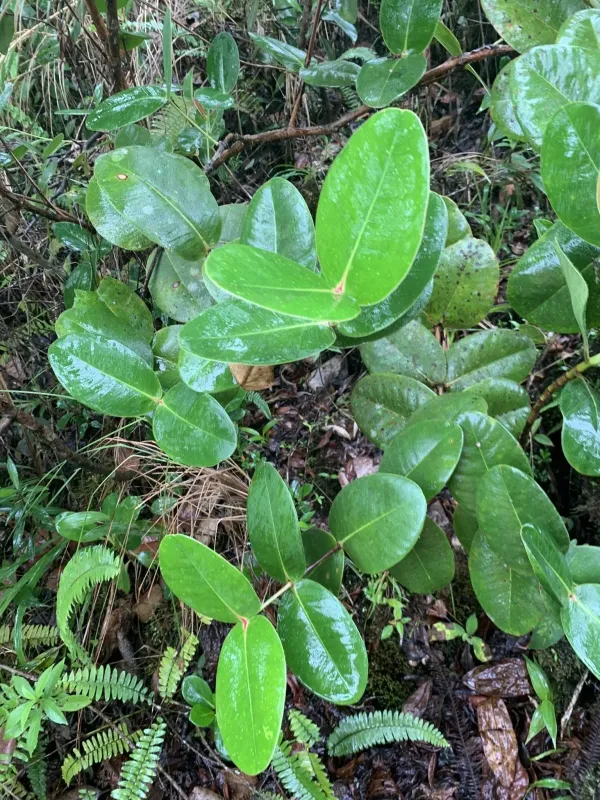
Description
Growing requirements
Alzatea verticillata is a distinct species representing the monotypic family Alzateaceae. This evergreen tree is native to the tropical regions of Central and South America, with its range extending across diverse environments from Mexico down to the Andean forests of Peru and Bolivia.
The botanical classification of this plant is noted for its verticillate leaf arrangement, which defines its scientific naming. It thrives as part of complex tropical forest ecosystems, often occupying specific niches that require high humidity and consistent moisture levels throughout the year.
Climatic requirements for the species are strict, as it is adapted to the stable temperatures found in tropical latitudes. Any significant deviation toward colder temperatures or prolonged drought typically results in poor growth or mortality, making it a specialized tree that is difficult to cultivate outside its indigenous range.
Regarding soil conditions, the plant favors well-drained, nutrient-rich organic substrates. In its natural habitat, the tree benefits from symbiotic interactions with soil microorganisms, which facilitate nutrient uptake and support the tree's health within the competitive environment of the tropical canopy.
While the tree is not currently utilized as a mainstream agricultural crop, it remains a subject of great interest in conservation biology and taxonomic studies. Its wood and ecological role are valued in local contexts, contributing to the diversity of the forest ecosystems where it is naturally found.