
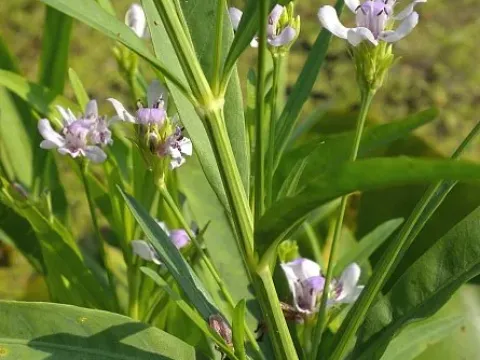
Justicia ovata
Justicia ovata
Justicia ovata belongs to the Acanthaceae family. In cultivation, propagation is most effectively performed through seed sowing or stem cuttings during the spring season.
What the section contains
Justicia ovata
The optimal time for seed sowing is March or April, as longer daylight hours are essential to trigger germination in this species.
To speed up the germination process, it is recommended to use greenhouse conditions, maintaining a soil temperature between +22 and +24 degrees Celsius.
When using vegetative propagation, cuttings are taken from young, healthy shoots, ensuring high air humidity to promote successful root formation.
It is important to provide a lightweight growing medium, ideally a mixture of peat and perlite, to ensure excellent drainage from the very beginning.
Native to the southeastern regions of North America, this plant prefers partially shaded or bright, indirect sunlight environments.
Justicia ovata thrives in consistently moist but well-draining soil that is rich in organic matter to support vigorous growth.
The ideal temperature range for active development is between +18 and +26 degrees Celsius, as the plant is highly sensitive to frost.
During the growing season, consistent watering is required, as drying out the root ball can negatively affect the foliage's aesthetic quality.
High relative humidity is necessary for the plant to reach its full potential, necessitating regular misting in drier climate zones.
Common pests affecting this crop include spider mites and whiteflies, which proliferate rapidly if air humidity levels are poorly managed.
Overwatering can lead to significant issues with root rot, primarily caused by pathogenic fungi belonging to the genus Pythium.
Powdery mildew also poses a threat in areas with poor ventilation, appearing as a white, dusty layer on the surface of the leaves.
To prevent the spread of diseases, it is essential to remove damaged foliage promptly and maintain adequate spacing between plants.
Systemic fungicides are recommended at the first sign of infection to protect the plant's health and visual appeal.
The primary use of Justicia ovata is in the fields of ornamental horticulture, indoor plant keeping, and specialized landscape design.
Harvesting flowers or decorative greenery for floral arrangements should be performed when the buds are fully opened to maximize longevity.
When cutting stems for bouquets, it is advised to use sanitized pruning tools to minimize stress on the parent plant structure.
The best time for harvesting is during the early morning hours, when the plant tissues are fully hydrated after the cooler night period.
Immediately place cut stems into clean water, as Justicia species are prone to rapid wilting when exposed to room temperature without hydration.