
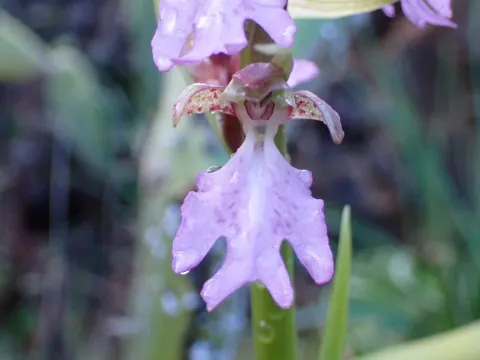
Barlia
Barlia
Barlia, currently scientifically recognized as Himantoglossum robertianum, is a striking member of the Orchidaceae family. This perennial herb is native to the Mediterranean basin and is characterized by its significant height and unique, fragrant flowers.
What the section contains
Barlia
In terms of habitat, the plant thrives in calcareous soils that offer excellent drainage. It prefers open areas with plenty of sunlight, which is crucial for its energy production and the maturation of its large inflorescences during the flowering season.
The climate requirements for Barlia are specific to subtropical environments. It requires moderate temperatures and cannot tolerate severe freezing conditions, necessitating protective measures or greenhouse cultivation in cooler regions.
Botanically, the species is defined by its substantial root tubers, which act as a reservoir for nutrients during the dormant summer phase. This adaptation allows the plant to survive in environments characterized by distinct dry and wet seasons.
Agricultural and commercial use of Barlia is almost exclusively focused on the ornamental sector. It is considered a specialty crop for orchid enthusiasts and botanical gardens rather than a mass-production agricultural commodity.
The primary threats to Barlia cultivation include various fungal pathogens that flourish in damp, poorly aerated soil. Rotting of the tubers is the most common cause of failure in domestic or greenhouse settings.
Insect pests, specifically thrips and spider mites, can severely weaken the plant by feeding on its foliage and flowers. Consistent monitoring is recommended to apply control measures before the infestation becomes severe.
Gastropods, including snails and slugs, pose a major threat to the tender floral spikes. They are particularly active during the spring when the plant is preparing to bloom, often destroying the potential for seed production.
Improper fertilization practices are another significant risk factor. Orchidaceae are highly sensitive to high salt concentrations, meaning that standard agricultural fertilizers can cause rapid leaf chlorosis and root tissue death.
Environmental stress, such as extreme fluctuations in humidity, can lead to physiological disorders. Ensuring a stable environment is essential for maintaining the plant's health and preventing its susceptibility to opportunistic infections.