
Pistacia integerrima
Pistacia integerrima J. L. Stewart
Description
Growing requirements
Pistacia integerrima J. L. Stewart, commonly known as the Himalayan pistachio or zebrawood, is a significant member of the Anacardiaceae family. Originating from the Himalayan foothills, it is highly regarded for its robust nature and ability to thrive in harsh, rocky terrains where many other crops fail.
The climate requirements for this species include distinct dry and warm seasons. It exhibits remarkable frost tolerance, enabling its survival in cooler temperate zones that would otherwise be unsuitable for more heat-dependent species of the genus Pistacia.
Soil conditions are critical for the health of this tree. It requires well-drained, porous soils; heavy clays or waterlogged ground lead to immediate root decay. Sandy loams that allow deep root penetration are considered optimal for the development of mature trees.
Cultivation practices involve proper initial spacing to ensure adequate airflow within the orchard. As the tree matures, its canopy develops extensively, requiring careful pruning during the dormant season to maintain structural integrity and improve light interception.
Economically, the species is valued for its hard, decorative timber, often used in fine woodworking. Beyond its wood quality, it serves as a critical rootstock for commercial pistachio grafting due to its superior resistance to soil-borne pathogens and environmental stress.
Main diseases and pests
Disease management in Pistacia integerrima centers primarily on preventing fungal infections. Root rot, often triggered by poor drainage or excessive irrigation, remains the most significant biological threat to long-term orchard productivity.
Pest populations, including psyllids and certain species of borers, can impact the vigor of the tree. These insects typically target tender foliage or weaken the cambium layer, necessitating integrated pest management (IPM) strategies to maintain tree health.
Chemical control programs should be restricted to the early growth stages. Biological control methods, such as encouraging natural predators like ladybirds and lacewings, are preferred for managing aphid and psyllid populations in organic or sustainable plantations.
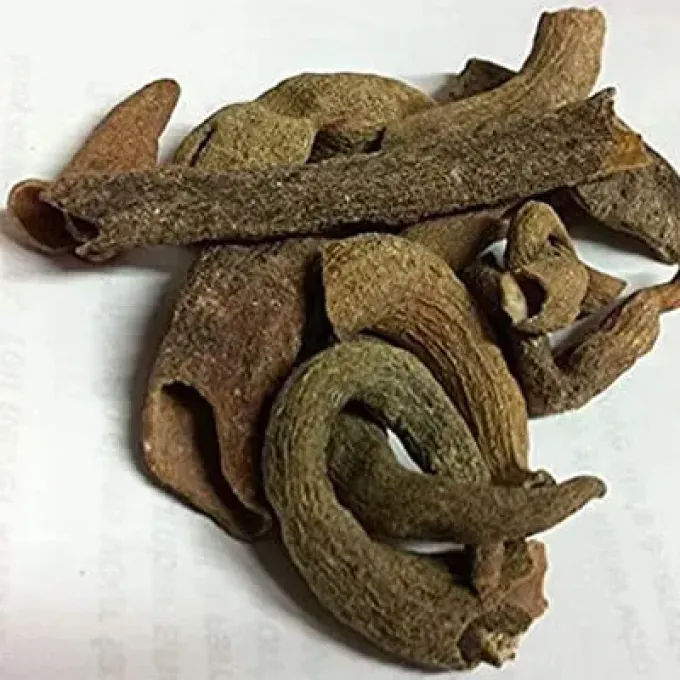
Monitoring for galls, which are common in this species due to mite infestations, is essential. While these galls are often harvested for industrial use, an excessive presence can indicate a high pest load that requires immediate intervention to protect the tree's vigor.
Finally, maintaining orchard hygiene by removing dead branches and clearing leaf litter helps suppress the buildup of inoculums. Regular inspection of the stem for signs of borer holes is also necessary to prevent structural damage that could lead to secondary infections.