
Chinese pistachio
Pistacia chinensis Bunge
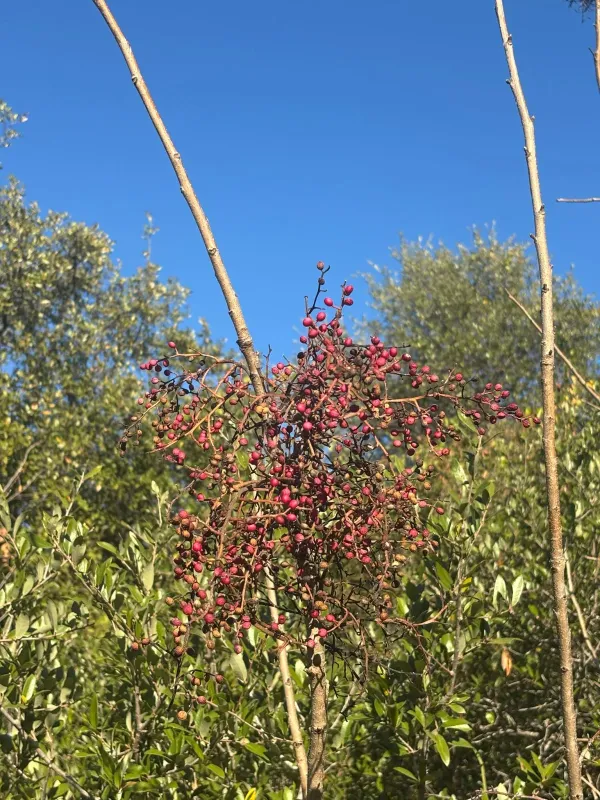
Description
Sowing dates
Propagation of the Chinese pistachio is primarily done through seeds, which require a cold stratification period of two to three months to break dormancy effectively.
Seeds should be sown in early spring into well-drained, porous soil once the danger of frost has passed and soil temperatures have reached an optimal level.
Planting depth should be kept between 2 and 3 centimeters, ensuring that the seeds are covered with a fine layer of soil or compost to maintain moisture.
During the germination phase, it is crucial to keep the substrate consistently moist but never waterlogged to prevent fungal issues during the early development stages.
Seedlings typically exhibit a slow growth rate initially, requiring dedicated care and protection from weed competition during their first year in the nursery or garden.
Growing requirements
The Chinese pistachio belongs to the Anacardiaceae family and is widely recognized for its high adaptability to urban environments and long-term durability.
This tree thrives in full sun exposure, which is essential for developing its characteristic dense canopy and vibrant autumnal leaf coloration.
It is remarkably drought-tolerant once established, making it an excellent choice for xeriscaping or areas where supplemental irrigation is limited.
Soil requirements are relatively flexible, though the species performs best in deep, fertile, and well-drained soils with a slightly acidic to neutral pH balance.
In terms of climate, it tolerates heat well and can withstand moderate frost, making it a robust ornamental tree suitable for various landscape applications.
Main diseases and pests
Verticillium wilt remains the most significant pathological threat to this species, as it is a soil-borne fungus that disrupts the plant's vascular system.
Root rot is frequently observed in soils with poor drainage or where excessive watering practices are employed, leading to rapid decline and potential tree loss.
Insect pests such as aphids often congregate on tender new growth, causing leaf curling and potentially serving as vectors for viral or secondary infections.
Scale insects can be found attached to the bark or branches, where they extract plant sap and contribute to the overall weakening of the tree's immune system.
Effective management includes maintaining tree vigor through proper site selection and avoiding mechanical damage that could serve as an entry point for pathogens.