
Atlantic pistachio (hybrid with Pistacia integerrima)
Pistacia atlantica x Pistacia integerrima
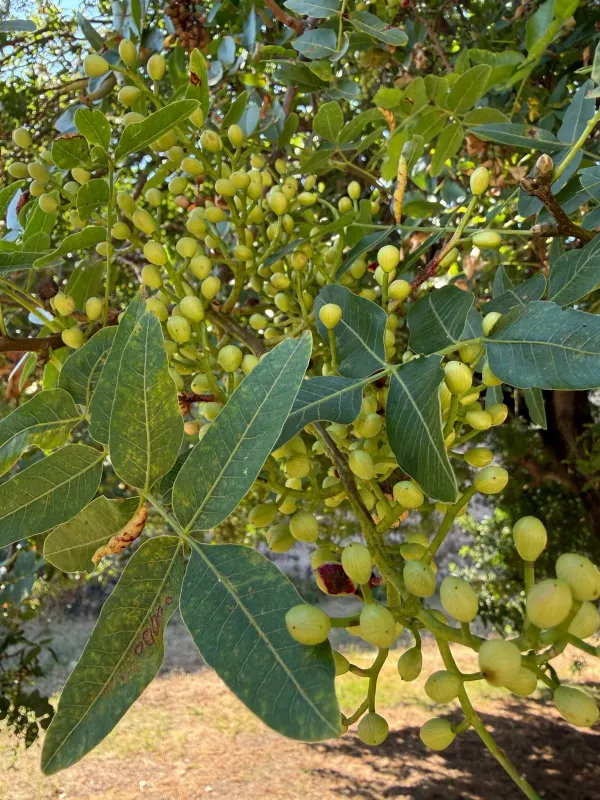
Description
Growing requirements
The Atlantic pistachio (Pistacia atlantica) hybridized with the Chinese pistachio (Pistacia integerrima) belongs to the Anacardiaceae family. This hybrid is widely recognized for its exceptional vigor and resilience in harsh, arid climates where other orchard crops fail.
Originating from Mediterranean and Western Asian regions, this plant acts as a robust rootstock. It provides superior graft compatibility and imparts resistance to soil-borne pathogens, including Verticillium wilt and root-knot nematodes.
The cultural requirements are centered around long, hot summers and excellent sunlight exposure. It thrives in well-drained, alkaline, and stony soils, demonstrating an incredible ability to extract water from deep soil profiles.
Regarding agricultural practices, minimal maintenance is required once the tree is established. However, proper spacing and pruning during the early years are essential to ensure structural integrity and ease of future mechanical harvesting.
This hybrid is predominantly used as a rootstock for commercial pistachio varieties to improve orchard longevity and yield stability. Its wood is also highly valued for its density and durability in woodworking applications.
Main diseases and pests
The primary threats include fungal diseases such as leaf spot and rust, which can proliferate during periods of unseasonal humidity. Maintaining proper airflow through the canopy is a critical management practice.
Pests like the pistachio psyllid can significantly impact foliage, leading to premature leaf drop if infestations are not controlled. Regular scouting is recommended during the active growing season.
Root pathogens, specifically those causing crown rot, represent a major risk if soil drainage is compromised. Improving the drainage of the site is the most effective way to prevent these issues.
Wood-boring insects may attack stressed trees, making it vital to keep the orchard healthy through proper nutrition and irrigation management. Damaged or dead branches should be pruned and removed promptly.
Integrated Pest Management (IPM) strategies, involving both chemical treatments and the preservation of natural predators, are highly recommended to keep the pest population below economic damage thresholds.