
Turpentine tree
Pistacia terebinthus L.
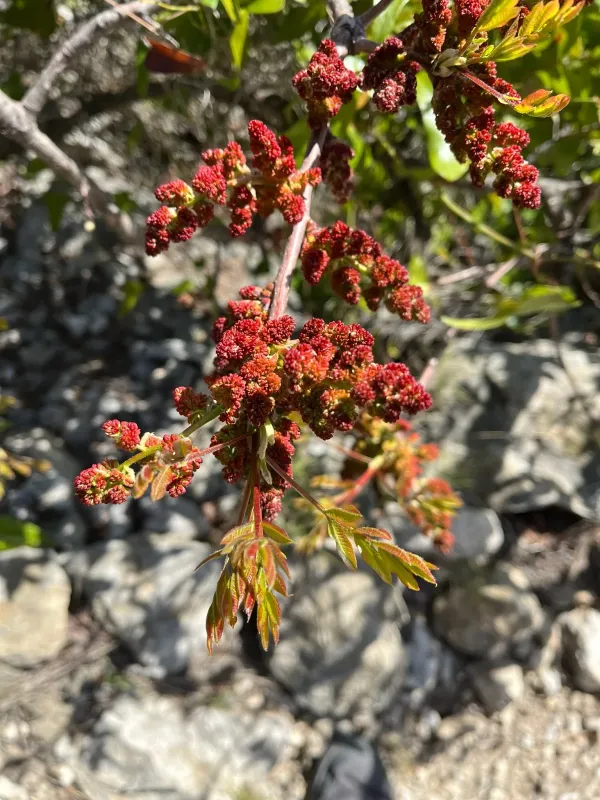
Description
Sowing dates
The turpentine tree belongs to the Anacardiaceae family. Propagation is primarily achieved through seeds, which require a cold stratification process lasting several months to break dormancy and ensure successful germination.
In natural habitats, seeds are dispersed in autumn and undergo stratification in the soil over winter. For agricultural purposes, it is recommended to sow seeds in deep containers to accommodate the strong taproot system characteristic of this species.
The optimal time for transplanting seedlings into the field is early spring. It is crucial to handle the root system with extreme care, as the tree is highly sensitive to root disturbance during the initial growth stages.
Vegetative propagation via cuttings is notoriously difficult for this species, making seed production the standard method for establishing new plantations or reforestation projects.
When planning a plantation, provide adequate spacing to allow for the tree's natural spreading habit. As the tree matures, its wide crown requires significant space to thrive and produce a consistent yield.
Growing requirements
This species is well-adapted to Mediterranean climates, requiring long, sunny growing seasons. It thrives on sunny slopes where exposure to cold air is minimized and frost risks are low.
The turpentine tree is exceptionally drought-tolerant. Its deep root system allows it to access water reserves in rocky soils, making it an ideal candidate for arid landscapes where other crops fail.
Soil requirements are minimal; the tree flourishes in limestone, stony, or nutrient-poor soils. It is notably resilient, provided the ground is not waterlogged or prone to salinity.
Proper drainage is the most critical factor for successful cultivation. Standing water in the root zone must be avoided, as it leads to root rot and can cause rapid decline in tree health.
The ideal soil pH is neutral to slightly alkaline. The species is sensitive to heavy, clay-rich soils that lack sufficient aeration, which can stifle its development during the early years.
Yield
While the fruits are smaller than those of the commercial pistachio (Pistacia vera), they contain valuable oils and resins. Historically, the tree is most famous for producing terebinth resin, a valuable substance used in industry and medicine.
It is widely utilized in agriculture as a robust rootstock for grafting commercial pistachio varieties. This practice combines the drought resistance of the turpentine tree with the high productivity of the nut-bearing cultivars.
Production levels depend on tree age and site conditions. Typically, the tree begins to bear fruit after 7 to 10 years, though its longevity ensures consistent yields for several decades.
The wood of the turpentine tree is dense and durable, prized for high-quality carpentry and furniture making. Sustainable thinning of plantations provides an additional source of income for growers.
Harvesting resin requires specialized techniques involving carefully controlled incisions in the bark during the peak growing season to collect the raw product safely without harming the tree.
Main diseases and pests
The pistachio gall midge is a common pest that induces gall formation on leaves. While often cosmetic, heavy infestations can reduce the photosynthetic capacity of the tree, potentially impacting annual growth rates.
Powdery mildew is a potential threat, especially in humid conditions or areas with stagnant air. Maintaining proper spacing and pruning helps improve airflow and reduces the risk of fungal infections.
Soil-borne pathogens like Verticillium wilt can affect the plant. Prevention strategies include ensuring excellent soil drainage and avoiding over-irrigation in the vicinity of the root zone.
In nursery environments, root-damaging larvae may pose a risk to young seedlings. Regular monitoring of the root ball and maintaining a clean growing area are essential preventative measures.
Integrated pest management, including seasonal fungicide application and monitoring for insect activity, is recommended to keep plantations healthy and ensure long-term viability.
Harvesting
Fruit harvest takes place in late summer or early autumn when the fruit hulls turn dry and change color. This indicates peak maturity and ensures easier detachment of the fruit from the clusters.
Manual harvesting remains the most common method, although mechanical shaking can be employed in larger orchards. Harvest should always be conducted during dry weather to ensure seed quality.
After harvesting, the fruits must be promptly depulped and dried in a well-ventilated area to prevent fungal growth and spoilage. Proper post-harvest handling is critical for maintaining oil quality.
Storage of the cleaned seeds should occur in cool, dry, and dark conditions. Proper storage allows for high germination rates for future planting, often lasting up to two years if kept in ideal conditions.
Resin collection is done by tapping the trunks during the warm months. This requires careful execution to avoid excessive trauma to the tree, ensuring that the harvest is sustainable over many years.