
Mastic tree
Pistacia lentiscus L.
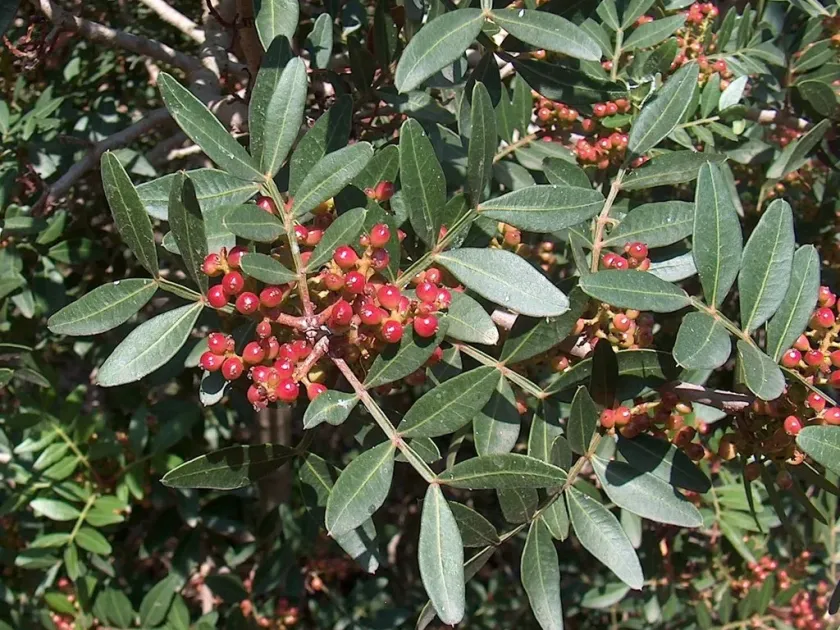
Description
Sowing dates
Seeds of the mastic tree should be sown in the spring, once soil temperatures remain consistently above 15 degrees Celsius. Pre-soaking seeds in warm water for 48 hours is often recommended to soften the hard seed coat and improve germination rates.
In commercial cultivation, seedlings are usually raised in containers to protect them from environmental stress and ensure the development of a robust root system before transplantation into the field.
Vegetative propagation via cuttings is a popular method, typically performed in late summer. Using semi-hardwood cuttings treated with rooting hormones in a controlled greenhouse environment significantly boosts success rates.
Young plants should be transplanted to their permanent outdoor locations after the danger of frost has passed. Adequate spacing is essential to ensure proper air circulation and future growth development.
During the establishment phase, irrigation is vital for young trees. However, as the plant matures, its inherent drought resistance allows it to thrive with minimal water inputs.
Growing requirements
Pistacia lentiscus is a member of the Anacardiaceae family, recognized as an evergreen shrub or small tree native to the Mediterranean basin. It is highly adapted to arid climates and rocky, nutrient-poor soil conditions.
The tree requires full sun exposure to maintain optimal physiological activity. Shade significantly hinders its development and reduces the metabolic production of the valuable resinous compounds.
Soil requirements are relatively flexible, as the plant grows well in limestone, clay, or rocky soils. The most critical factor is excellent drainage; standing water is detrimental and often leads to root fungal infections.
Temperature tolerance is a key characteristic of the mastic tree. It can withstand moderate temperatures but thrives best in regions with mild winters and hot, dry summers.
Agricultural management should focus on maintaining a balanced crown structure through light pruning to prevent dense foliage that may harbor pests or trap excess humidity.
Yield
The primary economic value of the mastic tree lies in the production of mastic gum, a natural resin harvested from the bark of the trunk. This resin is globally sought after for culinary, medicinal, and cosmetic applications.
Resin production typically commences when the tree reaches 5 to 7 years of age. Yields are heavily influenced by environmental factors, tree health, and the precise technique used by the harvester.
On average, a mature mastic tree can yield between 50 and 300 grams of resin per season. The harvesting process is labor-intensive and requires traditional skills passed down through generations.
Beyond resin, the tree is utilized for its oil-rich berries and leaves, which contain polyphenols and other bioactive compounds utilized in various pharmaceutical industries.
The plant serves as a vital component in erosion control in Mediterranean ecosystems, stabilizing poor soils while providing sustainable economic output for local communities.
Main diseases and pests
Pistachio aphids are the most common pests, causing leaf curling and the development of galls on young shoots. These galls can severely reduce the vitality of the plant if infestations are not managed early.
Fungal diseases, such as powdery mildew or various forms of root rot, are primarily caused by excessive humidity or poor soil drainage. These pathogens can weaken the tree's vascular system.
Monitoring for signs of distress, such as leaf yellowing or stunted terminal growth, is necessary. Integrated pest management strategies are preferred to maintain the quality of the resin.
Sanitation practices, such as the removal of deadwood and infected shoots, are crucial for disease prevention. This keeps the crown open and improves air circulation, reducing fungal growth.
Excessive use of nitrogen fertilizers should be avoided, as it encourages soft, succulent growth that is more susceptible to aphid attacks and fungal colonisation.
Harvesting
The harvesting of mastic resin occurs during the summer months, specifically from July through September, when the climate is hot and dry, facilitating the secretion of the sap.
Harvesters make careful, precise incisions in the bark of the trunk and primary branches. The sap oozes out and solidifies into translucent droplets, often referred to as "tears."
After a period of 15 to 20 days, the hardened tears are carefully collected by hand. The raw resin is then cleaned of bark fragments, dust, and other impurities to ensure high commercial purity.
Strategic management of incisions is essential; harvesters must rotate the areas of the trunk used for extraction to ensure the tree remains healthy and productive for future seasons.
Following harvest, the resin must be stored in cool, dry conditions away from light to prevent oxidation and to preserve its distinctive balsamic aroma and structural integrity.