
Gloriosa crabapple
Malus x gloriosa Lemoine
Description
Growing requirements
The Gloriosa crabapple (Malus x gloriosa) is a distinguished ornamental hybrid species belonging to the Rosaceae family. It is widely cultivated for its exceptional flowering display, characterized by vibrant pink blossoms that transform garden landscapes in the spring.
This species thrives in locations with full sunlight, which is essential for promoting dense foliage and maximum flower production. Ideally, it requires well-drained, fertile soil that maintains consistent moisture without becoming waterlogged, as the roots are sensitive to anaerobic conditions.
Cultural practices include periodic pruning to maintain an aesthetically pleasing shape and to remove dead or diseased wood. It is crucial to ensure adequate air circulation within the canopy to promote tree health and reduce the risk of common fungal infections during wet seasons.
The tree shows a preference for temperate climates but requires a layer of mulch around the base to protect its shallow root system from extreme fluctuations in soil temperature. During the first two growing seasons, supplemental watering is necessary to establish a robust and deep root system.
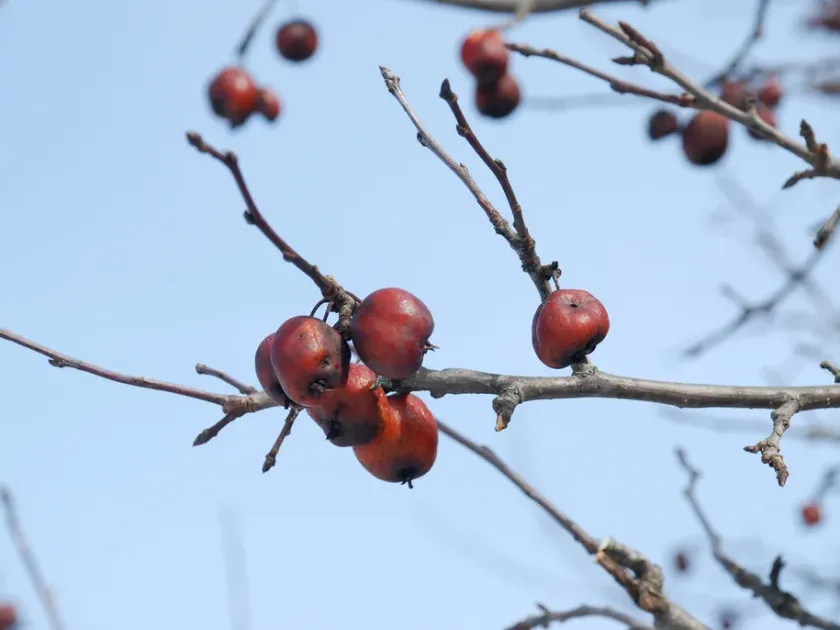
In terms of usage, it serves as an excellent specimen tree for residential gardens, public parks, and urban spaces where its ornamental characteristics provide seasonal interest. Its small, persistent fruits also serve as a source of winter food for local bird populations.
Main diseases and pests
The Gloriosa crabapple is susceptible to apple scab, a fungal disease that can cause significant leaf drop if left unmanaged during periods of high humidity.
Powdery mildew often affects the foliage, creating a white powdery appearance that can stunt growth and diminish the tree's overall visual appeal.
Insect pests, including aphids and various types of leaf-eating caterpillars, are frequent visitors that may require intervention if populations exceed tolerance levels.
Fire blight is another potential risk, often entering through blossoms or pruning wounds, requiring the immediate removal of infected branches.
To maintain tree vitality, it is recommended to apply a preventative spray schedule and ensure the tree remains well-nourished to help it resist common environmental stressors.