
Sievers' apple
Malus sieversii (Ledeb.) M. Roem.
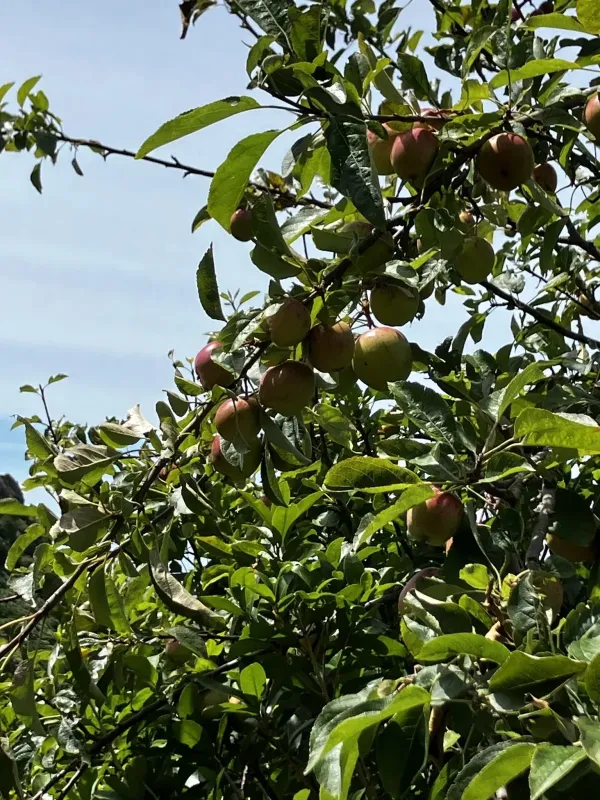
Description
Growing requirements
Sievers' apple (Malus sieversii) is a member of the Rosaceae family. It is widely recognized by scientists as the primary wild ancestor of the domesticated apple tree.
The native range of this species is primarily located in the mountains of Central Asia, specifically within the Tian Shan range in Kazakhstan, where it grows in wild forest stands.
This species requires deep, well-draining, and nutrient-rich soils to thrive. It is well-adapted to mountain slopes where it can access sufficient groundwater without becoming waterlogged.
The climate requirements include a preference for continental conditions with significant seasonal temperature variations. The trees are remarkably hardy and can withstand freezing winters and arid, hot summers.
For cultivation purposes, it is essential to manage spacing carefully to allow for the natural spread of the crown, ensuring adequate air circulation and sunlight exposure for the tree.
Yield
The primary economic use of Sievers' apple is in the field of horticulture and plant breeding, where it is used as a genetic resource to improve commercial apple varieties.
The yield of individual trees varies greatly due to the wild nature of the species. Fruit characteristics, including size, sweetness, and acidity, differ significantly between specimens.
Fruits are processed into various products like juice, cider, and dried snacks. They are particularly valued for their high concentrations of antioxidants and dietary fiber.
Commercial production is generally not the focus for this species; instead, it is cultivated in germplasm banks and botanical gardens to preserve its unique genetic traits.
The harvest period typically occurs in late summer or autumn, depending on the specific altitude and latitude where the trees are planted.
Main diseases and pests
Like many species in the Malus genus, Sievers' apple is susceptible to fungal pathogens such as apple scab and powdery mildew, especially in humid environments.
Common insect pests include the codling moth and various species of leaf miners, which can impact foliage health and fruit development if left unmanaged.
Bacterial diseases, such as fire blight, represent a serious threat to the health of the trees and require strict quarantine and sanitation procedures to control.
Effective management includes regular monitoring of the canopy and soil health to ensure that the trees remain vigorous and resistant to potential infestations.
Despite these threats, the species maintains a high degree of natural immunity compared to modern hybrid cultivars, making it a crucial candidate for disease-resistant breeding programs.