
Flowering crabapple
Malus domestica x Malus robusta
Description
Growing requirements
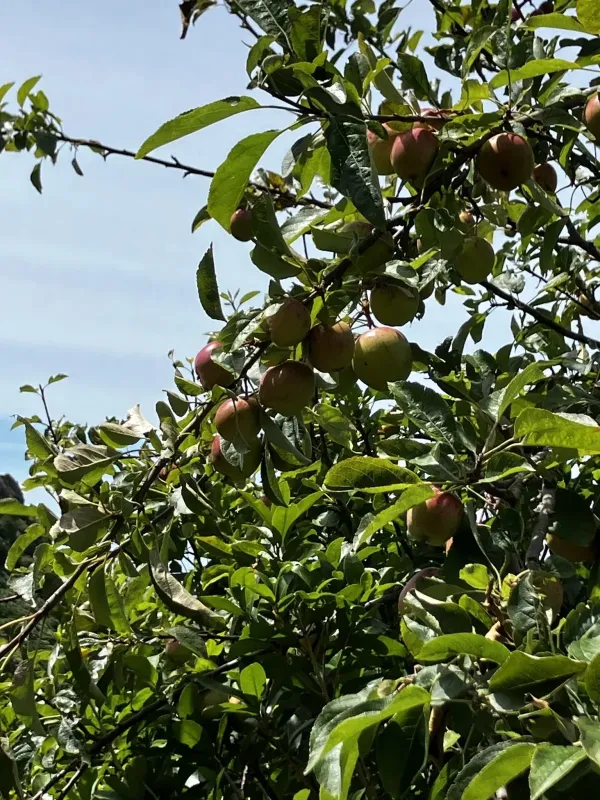
The flowering crabapple (Malus floribunda, often identified as a hybrid of Malus domestica x Malus robusta) is a member of the Rosaceae family. It is widely cultivated for its ornamental value and prolific flowering display.
This species thrives in locations with full sun exposure. Adequate light is essential for the tree to produce its characteristic dense floral clusters and maintain a healthy, balanced growth habit throughout the season.
Soil requirements include well-drained, fertile loams with a neutral pH level. While adaptable, the tree performs best when soil moisture is consistent, avoiding both prolonged drought and waterlogged conditions.
The plant is known for its cold hardiness and robustness in diverse climatic zones. It is highly resistant to severe winter temperatures, making it a reliable choice for temperate landscape planning and agriculture.
Maintenance involves routine pruning to remove deadwood and maintain the desired shape. Fertilization should be focused on the early spring period to support vigorous growth and maximum floral output.
Main diseases and pests
One of the primary benefits of this hybrid is its superior resistance to apple scab, a disease that frequently affects other varieties. This genetic trait makes it a low-maintenance option for many gardeners.
Aphids represent a common threat to young succulent shoots. Regular inspection is advised, especially during the spring bloom, to apply control measures before the pest populations can cause significant damage.
Powdery mildew can occur in environments with poor air circulation or high humidity. Pruning techniques that prioritize an open crown structure are the most effective preventative strategies against this fungus.
Bacterial blight is a serious concern that requires prompt sanitation. Any infected branches should be cut back to healthy tissue and destroyed immediately to prevent further spreading throughout the orchard.
General orchard hygiene, including the removal of leaf litter in autumn, plays a critical role in minimizing the overwintering of pathogens. Using sterile tools for pruning further reduces the risk of transmission.