
Japanese flowering crabapple
Malus floribunda Siebold ex Van Houtte
Description
Growing requirements
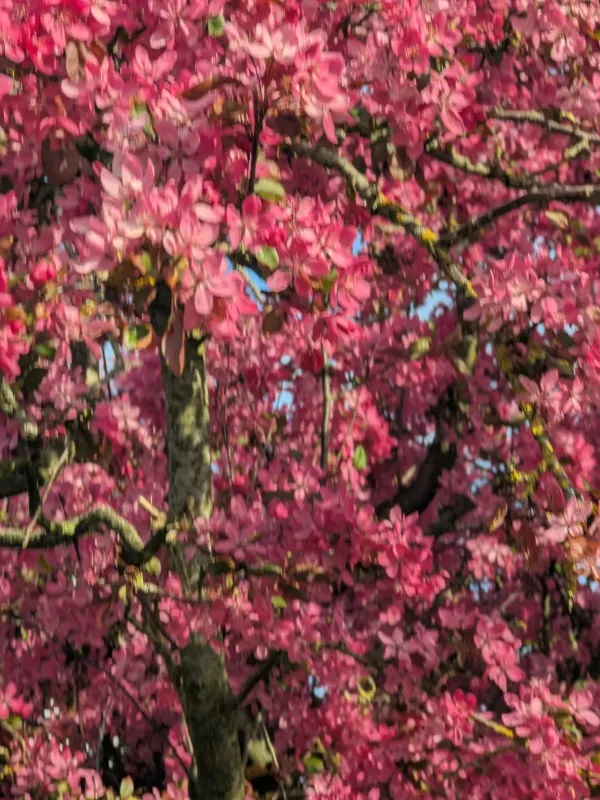
The Japanese flowering crabapple (Malus floribunda) is a distinguished member of the Rosaceae family. Native to Japan, this deciduous tree is widely acclaimed for its spectacular, profuse blooming habit during the spring season.
This species thrives in full sun exposure. While it can tolerate partial shade, optimal flowering density and overall plant vigor are best achieved when the tree receives at least six hours of direct sunlight daily.
Soil requirements involve deep, fertile, and well-drained loam. While the tree can tolerate a variety of soil types, it performs best in neutral to slightly acidic conditions with adequate moisture retention.
The tree is noted for its high degree of winter hardiness. However, young specimens benefit from protective mulching around the root zone and wrapping of the main trunk during the first few years of establishment.
Standard horticultural practices for this species include consistent watering during dry spells, spring pruning to maintain an attractive form, and balanced fertilization to support healthy foliage and flower bud production.
Yield
The economic and practical utility of Malus floribunda is primarily decorative. It is grown as an ornamental specimen rather than a fruit-producing crop, as its small, bitter fruits are not suitable for culinary use.
In landscape architecture, the tree serves as a focal point in residential gardens and public parks. Its dense, spreading habit makes it an ideal candidate for accent planting or as part of a mixed border.
The cultural value of the tree extends to its seasonal change, providing early spring color through its prolific blossoms and autumnal interest through its persistent, colorful small fruit clusters.
These persistent fruits serve as a critical food source for migratory birds and local wildlife during the late autumn and early winter, enhancing the ecological value of the garden.
Maintenance is simplified by the tree's natural resilience. By selecting appropriate sites and ensuring good air circulation, gardeners can enjoy decades of aesthetic beauty with minimal intervention.
Main diseases and pests
The primary pathological threats to the Japanese flowering crabapple include common fungal infections such as apple scab and powdery mildew. These are best managed through proactive seasonal fungicide sprays.
Insect pests, including aphids and spider mites, may periodically infest the foliage. Monitoring programs should be in place to detect infestations early, allowing for targeted and environmentally friendly treatments.
The health of the tree is significantly bolstered by maintaining a clean environment around the base, which involves removing fallen infected leaves to prevent the recurrence of pathogens.
Physical damage to the bark from mechanical tools or small mammals can introduce secondary infections; therefore, maintaining a clean perimeter around the trunk base is highly recommended.
By implementing a routine care schedule that includes both preventative maintenance and monitoring, the vulnerability of the tree to significant damage is kept at an absolute minimum.