
Hybrids of Malus domestica and Malus x purpurea
hybrids between Malus domestica Borkh. and Malus x purpurea (A. Barbier) Rehder
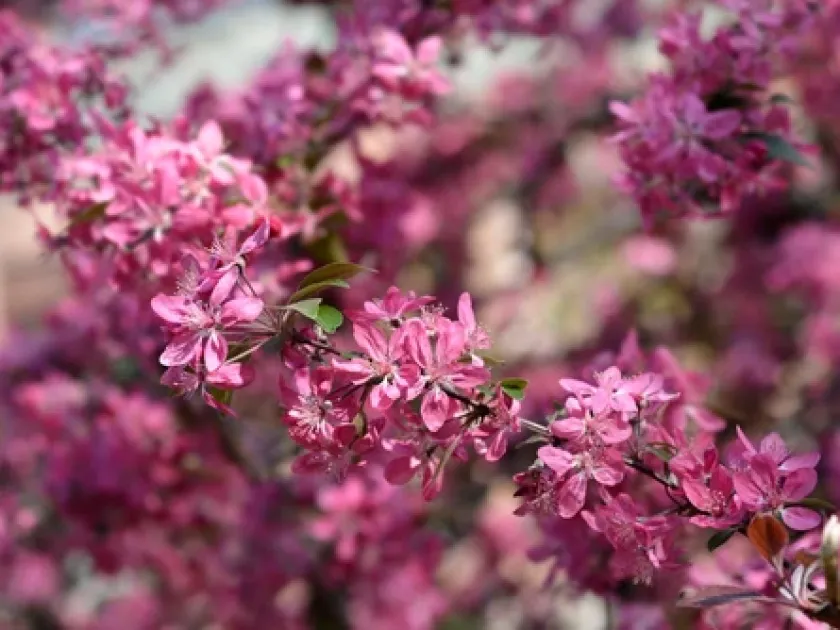
Description
Growing requirements
These hybrids are specialized crosses between Malus domestica and Malus × purpurea, belonging to the Rosaceae family. They are prized in agriculture and landscaping for their ability to produce edible fruit alongside striking purple-hued foliage.
The cultivation of these trees requires full sun exposure to maintain their characteristic pigment intensity and to ensure optimal photosynthesis. The soil should be well-drained and nutrient-rich, with a slightly acidic to neutral pH level.
Regarding climate, these hybrids exhibit robust hardiness, derived from their ancestral lineage. They are well-adapted to temperate climates, showing significant resilience against cold stress and fluctuating winter temperatures.
Agricultural management involves a consistent irrigation schedule, especially during the fruit-set stage. Fertilization programs should balance nitrogen for leaf growth and potassium for fruit quality, applied systematically during the spring and early summer.
Pruning techniques are essential for managing the growth habit of these trees. By removing competing leaders and interior deadwood, growers ensure sufficient air circulation, which significantly reduces the risk of fungal proliferation within the canopy.
Main diseases and pests
Apple scab (Venturia inaequalis) is a primary concern in humid environments. Management strategies involve sanitation of the orchard floor and the application of fungicides during the primary infection period in spring.
Powdery mildew represents a frequent threat to the foliage of these hybrids. Improving airflow through structural pruning and selecting resistant rootstocks can mitigate the impact of this fungal disease.
The codling moth is the most significant insect pest for this culture. Integrated pest management (IPM) practices, such as pheromone mating disruption and strategic application of biological insecticides, are highly recommended.
Aphid infestations can cause leaf curling and stunt growth. Monitoring for early signs of colonisation and using insecticidal soaps or neem oil allows for effective control while preserving beneficial predatory insects.
Fire blight is a bacterial disease that can cause rapid necrosis of branches. Strict sanitation, including disinfecting pruning shears between cuts and the immediate removal of infected wood, is mandatory to prevent orchard-wide spread.