
Valeriana procera
Valeriana procera Kunth
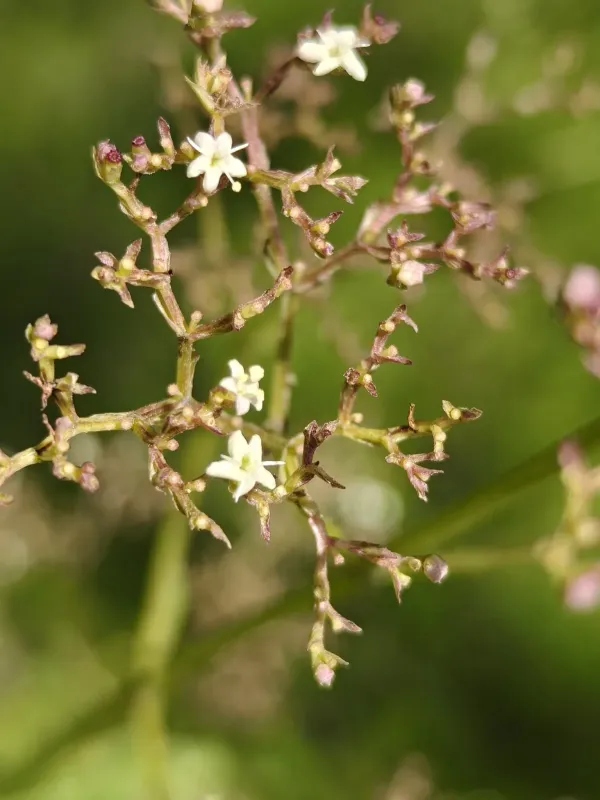
Description
Sowing dates
Sowing of Valeriana procera is typically performed in the spring when soil temperatures reach 10–12 degrees Celsius to ensure uniform germination.
In regions with mild winters, late-autumn sowing is also feasible, allowing seeds to undergo natural stratification, which boosts early spring growth.
A row-cropping method with spacing between 45–60 centimeters is recommended to facilitate effective weed management and mechanical operations.
The seeds should be planted at a shallow depth of 0.5–1 centimeter, as their small size makes them vulnerable to deeper burial in the soil.
Thinning is essential after the emergence of true leaves, ensuring a distance of 20–25 centimeters between plants to allow for proper root development.
Growing requirements
Valeriana procera is a member of the Caprifoliaceae family, native to the high-altitude regions of Mexico and parts of Central America.
The crop requires fertile, well-drained loam soils with high organic matter content and a neutral pH for optimal biomass accumulation.
It is a light-demanding plant, necessitating open, sunny locations with protection from waterlogging to prevent root suffocation.
Fertilization with a focus on phosphorus and potassium is highly beneficial during the vegetative cycle to enhance root structure and vigor.
Consistent irrigation is vital during dry spells, as water stress can severely reduce the overall yield and concentration of active pharmacological compounds.
Yield
The productivity of Valeriana procera plantations depends heavily on following standardized agrotechnical protocols and plant age.
Optimal yield is usually obtained at the end of the second year, which allows for sufficient root development and accumulation of active ingredients.
Under intensive cultivation conditions, average yields of dried root mass can range from 1,500 to 2,500 kilograms per hectare.
The quality of the final product is highly dependent on post-harvest practices, particularly the drying temperature and storage environment.
Effective weed control during the first growth stage is a key driver of high final yields, as the plant is sensitive to competition early on.
Main diseases and pests
Common agricultural pests such as wireworms and soil-dwelling larvae can cause significant damage to the root system and plant health.
High humidity and poor air circulation within the field can promote fungal diseases like powdery mildew, necessitating preventative field hygiene.
Root rot is a major threat in heavy or waterlogged soils, which requires proper site selection and drainage management as primary precautions.
Nematode infestations can lead to decreased root quality and poor plant development, requiring crop rotation as a fundamental management strategy.
Regular monitoring of the canopy and roots is necessary to identify early signs of stress or pest infestation to intervene effectively.
Harvesting
Harvesting is performed in the autumn of the second year, coinciding with the senescence of the above-ground foliage of the plant.
Roots are extracted from the soil using mechanical harvesters, followed by thorough cleaning to remove dirt and extraneous plant materials.
Post-harvest processing involves washing the roots in running water before moving them to drying facilities with controlled temperature conditions.
Drying must occur at temperatures below 40 degrees Celsius to prevent the degradation of essential volatile oils and active valeric acids.
Once dried to the appropriate moisture content, the product is packaged and stored in well-ventilated, dry areas away from direct light.