
Solanum virginianum
Solanum virginianum L.
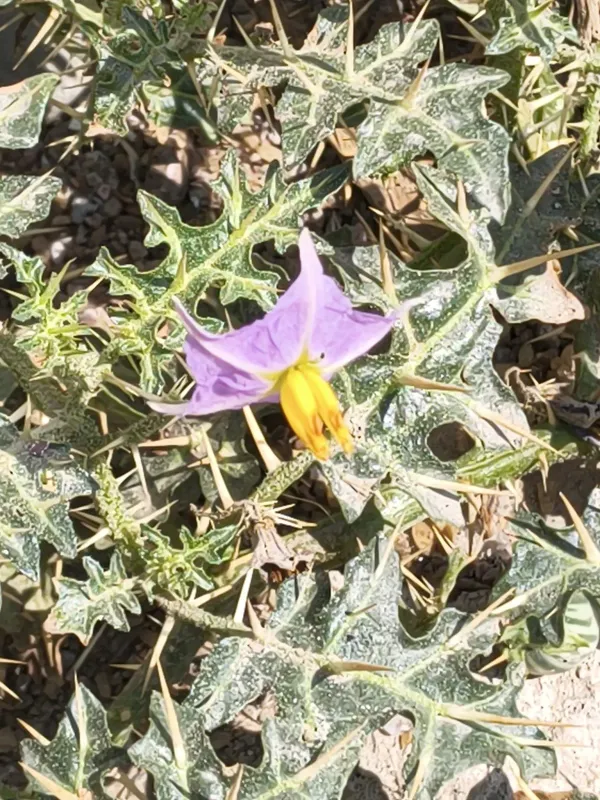
Description
Sowing dates
Solanum virginianum is a perennial herbaceous plant from the Solanaceae family that requires specific environmental conditions for successful germination. Seeds are typically sown in early spring once the risk of frost has completely passed.
The optimal germination temperature for this species ranges between 18 and 25 degrees Celsius. Sowing depth should be shallow, approximately 1 centimeter, to allow sufficient light penetration and moisture contact.
In field conditions, rows should be spaced to allow for adequate ventilation and easy mechanical weeding. Uniform moisture levels must be maintained until the seedlings are firmly established in the soil.
Direct seeding in the field is possible in warmer climates, while in cooler regions, a greenhouse-based seedling production method is preferred to extend the growing season.
Once seedlings reach a height of 10-15 centimeters, they are ready for transplanting into the permanent growing location, provided the soil has been enriched with organic matter.
Growing requirements
This crop thrives in full sun exposure. Adequate light is essential for the metabolic processes that determine the concentration of secondary metabolites, which are often the goal of cultivation.
The soil should be well-drained and fertile, with a preference for sandy loams. Heavy, waterlogged soils are detrimental to root development and increase susceptibility to root rot.
Regular irrigation is necessary, particularly during the flowering and fruiting stages. However, growers should avoid over-watering, which can lead to rapid pathogen buildup in the rhizosphere.
Nutrient management focuses on balanced applications of nitrogen, phosphorus, and potassium. Excessive nitrogen can promote vegetative growth at the expense of floral development.
Wind protection can be beneficial in exposed areas to prevent lodging and physical damage to the leaves and stems, which are often brittle in younger plants.
Main diseases and pests
The primary fungal threats to Solanum virginianum include Late Blight (Phytophthora infestans), which can be devastating under humid and cool conditions.
Powdery mildew often appears during dry, warm periods, manifesting as white patches on leaves. Proper canopy management and air circulation are the best preventative measures.
Insect pests such as the Colorado Potato Beetle are highly attracted to this species, requiring vigilant monitoring and integrated pest management strategies.
Aphids and mites can cause significant stunting by feeding on tender shoot tips, potentially acting as vectors for plant viruses.
- Implementation of a 3 to 5-year crop rotation cycle.
- Use of certified, disease-free seed material for planting.
- Regular inspection of the underside of leaves for early pest detection.
- Applying mulching to suppress weeds and maintain consistent soil moisture.