
Solanum torvum
Solanum torvum Sw.
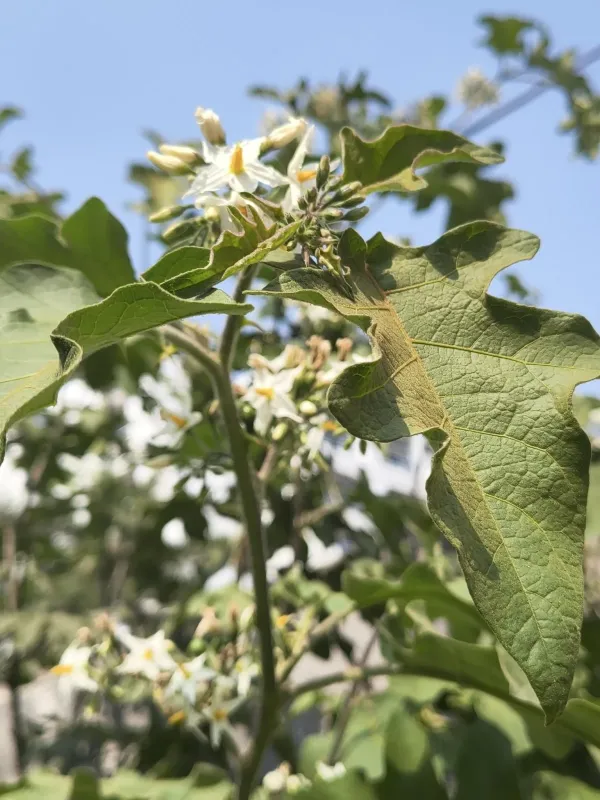
Description
Sowing dates
Sowing Solanum torvum seeds requires careful preparation, as the seeds often exhibit dormancy due to a tough outer coat that needs to be overcome for successful germination.
Soaking the seeds in water for 24 hours or using chemical scarification techniques significantly improves the speed and uniformity of emergence in nursery beds.
Seeds are typically sown in a light, sterile potting medium at a depth of approximately 0.5 centimeters, maintaining a consistent temperature between 25 and 30 degrees Celsius.
The seedling stage is relatively slow; therefore, it is crucial to provide adequate light and moisture to prevent etiolation and ensure the development of a sturdy stem for later grafting.
Transplanting into the field or permanent containers should occur only after the plants have developed at least 4 to 6 true leaves and the threat of frost is entirely gone.
Growing requirements
Solanum torvum is a perennial shrub belonging to the Solanaceae family, known for its vigorous growth and ability to thrive in warm, tropical, and subtropical climates.
The plant requires full sun exposure to maintain optimal vigor, although it can tolerate partial shade in extremely high-temperature environments.
It prefers well-drained, fertile soil with a slightly acidic to neutral pH level; it does not tolerate waterlogged conditions which often lead to root decay.
This species is highly drought-tolerant once established, but providing consistent irrigation is essential when the plant is used for intensive fruit production or as a grafting rootstock.
Regular maintenance, including light pruning, is necessary to manage the shrub's architecture, as it can grow quite large if left completely unattended in a tropical environment.
Yield
The primary horticultural application of Solanum torvum is its use as a disease-resistant rootstock for grafting popular crops such as tomatoes, eggplants, and chili peppers.
Grafting onto this species provides immunity to soil-borne pathogens like Fusarium wilt, Verticillium wilt, and various species of root-knot nematodes.
Beyond its utility as a rootstock, the plant produces edible berries known as turkey berries, which are a common ingredient in many Southeast Asian and Caribbean cuisines.
The berries are typically harvested while still green and immature, as they become bitter and too soft once they reach full biological maturity.
When managed properly, a single plant can provide a continuous yield of fruit or serve as a robust, long-lasting foundation for grafted vegetable crops for several years.
Main diseases and pests
Common pests affecting Solanum torvum include aphids, spider mites, and whiteflies, which can proliferate rapidly during dry spells or in greenhouse conditions.
Fungal diseases such as powdery mildew may appear on the foliage if the air circulation is poor or if the plants are grown in overly humid conditions.
While the species is naturally resistant to many soil-borne diseases, it can still be vulnerable to viruses transmitted by insect vectors if sanitation is not maintained.
Integrated pest management strategies, including the use of neem oil or biological predators, are highly recommended to keep populations of harmful insects under control.
Strict hygiene practices, such as disinfecting grafting tools and removing symptomatic plant parts, are essential to prevent the spread of systemic infections.
Harvesting
Harvesting the fruit of Solanum torvum is labor-intensive, requiring manual collection to ensure that only fruits of the desired maturity are picked for culinary use.
For culinary purposes, the berries must be collected while they are still firm, green, and shiny, as this stage offers the best flavor and texture for cooking.
Post-harvest handling is straightforward; the berries should be kept in a cool, ventilated place to prevent dehydration or heat-induced spoilage before they are processed.
If the goal is seed production, fruits must be allowed to ripen fully on the shrub until they turn yellow, at which point they are harvested and processed for seed extraction.
Efficient harvesting protocols, including clear scheduling and proper storage containers, are vital for maintaining the quality of the harvested produce throughout the supply chain.