
Solanum procumbens
Solanum procumbens Lour.
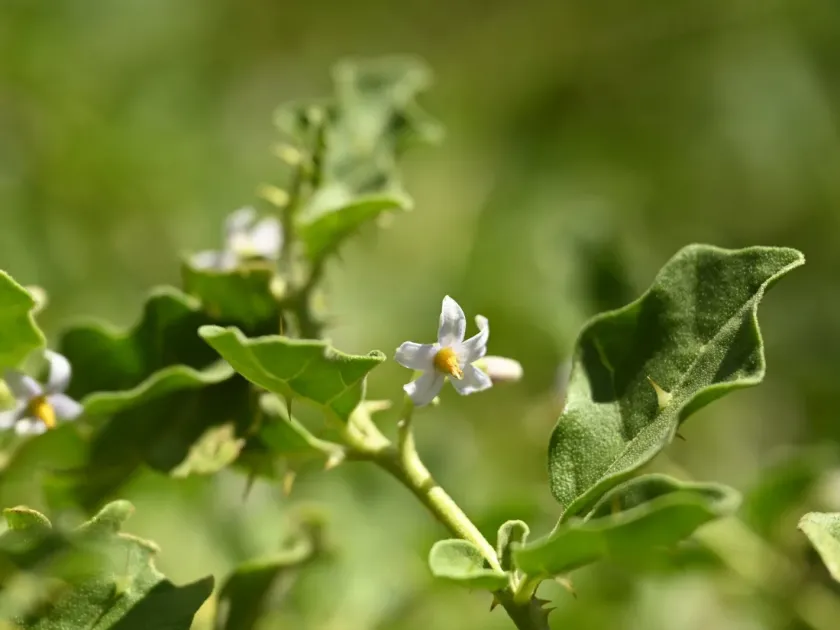
Description
Sowing dates
Solanum procumbens is a perennial herbaceous plant belonging to the Solanaceae family. In tropical regions, seeds are sown directly into the soil once it has warmed up sufficiently, typically when temperatures remain consistently above 20 degrees Celsius.
For cultivation in cooler climates, a nursery method is preferred. Seeds should be started in containers about 8 to 10 weeks before the expected last frost date to ensure strong plant establishment before moving outdoors.
The seeding medium should be light, well-draining, and rich in organic matter. Maintaining constant moisture is crucial for germination, which usually occurs within two to three weeks under optimal conditions.
Seedlings should be transplanted once they develop two or more sets of true leaves. Since the plant is sensitive to root disturbance, using biodegradable pots can help reduce transplant shock significantly.
Hardening off the seedlings is a vital step before outdoor placement. Gradually exposing plants to outdoor conditions over a week prepares them for environmental stressors like wind and direct sunlight.
Growing requirements
As a thermophilic species, Solanum procumbens requires warmth for optimal growth, favoring temperature ranges between 22 and 30 degrees Celsius. It does not tolerate frost and may experience stunted growth if temperatures drop below 10 degrees.
Full sun is essential for the development of the plant and the accumulation of beneficial phytochemicals. Shaded conditions lead to weak stems and a significant decrease in the active substances required for medicinal use.
The soil should be fertile, well-aerated, and slightly acidic to neutral in pH. Proper drainage is mandatory, as the plant is highly susceptible to root rot caused by waterlogged conditions.
Consistent moisture management is required during the flowering and fruiting stages. However, growers must avoid over-saturation, as excessive soil moisture promotes fungal growth at the base of the plant.
Supplementing with balanced fertilizers during the vegetative stage and transitioning to potassium-heavy formulas during fruit formation ensures maximum yield and plant health.
Yield
The primary purpose of cultivating Solanum procumbens is for the production of pharmaceutical raw materials. Yield depends largely on plant density, site selection, and the quality of agricultural management applied during the season.
Growers typically focus on maximizing the aerial biomass of the plant, which contains the key steroid glycosides. Maintaining sufficient spacing between rows allows for better airflow and individual plant development.
Yield metrics are closely linked to the frequency of harvest and the nutrient levels in the soil. Strategic pruning of lateral stems can help stimulate the growth of new productive shoots throughout the season.
Controlled environment agriculture in greenhouses can significantly boost total harvest weight compared to traditional field methods by optimizing light and temperature conditions throughout the year.
Quality control during the harvest is paramount. Ensuring that only healthy, mature plant parts are collected directly impacts the value and usability of the final product in medicinal manufacturing.
Main diseases and pests
Pests typical of the Solanaceae family pose the greatest risk, specifically aphids, whiteflies, and the Colorado potato beetle. These insects can quickly defoliate the crop, leading to severe yield losses.
Fungal pathogens such as late blight and root rots thrive in high-humidity environments. These conditions often occur if the plants are spaced too closely or if the soil drainage is inadequate.
Viral infections transmitted by insect vectors can be devastating to a field. Once a plant is infected, it should be removed and destroyed immediately to prevent the spread of the pathogen to healthy neighbors.
Effective pest management relies on integrated strategies, including regular monitoring and the use of biopesticides. Crop rotation is essential, and the plant should not be grown after other nightshades.
- Ensure adequate spacing between plants to prevent humidity build-up.
- Remove weeds that might host viruses or pest colonies.
- Use high-quality, disease-free seed sources to start the crop.
Harvesting
Harvesting is best conducted during dry, cool morning hours to preserve the integrity of the plant compounds. Manual harvesting ensures minimal damage to the delicate plant tissues.
The harvested material must be dried promptly using controlled temperature settings. Exceeding 45 degrees Celsius during the drying process may lead to the degradation of important therapeutic molecules.
Post-harvest cleaning is essential to remove dirt and non-target debris, which ensures the raw material meets pharmaceutical purity standards. Quick processing helps prevent microbial contamination.
Stored produce should be kept in a cool, dark, and dry environment. Utilizing breathable storage containers, such as linen bags, protects the product from dampness and ensures its longevity.
Quality testing for active ingredient concentrations is the final step in the harvest cycle, confirming that the product is ready for commercial or medical use.