
Solanum peruvianum
Solanum peruvianum L.
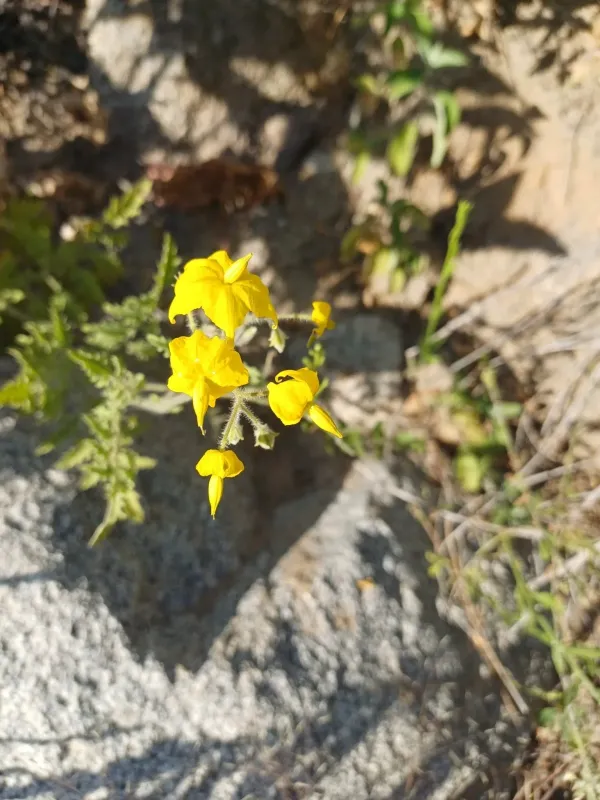
Description
Sowing dates
Solanum peruvianum is a wild perennial species within the Solanaceae family, native to the coastal regions of Peru and Chile. It is renowned in botanical and agricultural circles as a crucial wild relative of the cultivated tomato.
Sowing procedures involve using high-quality substrate with excellent drainage properties. Seeds generally exhibit good germination rates when exposed to consistent warmth and diffused light during the early development phase.
Once seedlings emerge, they require ample space for root development. The species is characterized by vigorous growth, often forming dense, spreading foliage that requires careful management in a controlled environment.
Transplanting to the final site should be timed to coincide with the absence of frost. The species prefers well-aerated soils to support its expansive and robust root architecture.
Seedling hardening is a necessary step before outdoor planting, as sudden shifts in humidity or wind speed can stress the young plants during their acclimation period.
Growing requirements
This species is highly adapted to arid and semi-arid conditions, thriving in regions where other Solanaceae crops might struggle due to limited water availability or soil salinity.
It demands full sun exposure to maximize photosynthetic activity. Inadequate light levels often result in reduced vigor and diminished flowering potential for the plant.
Soil requirements focus on neutrality or slight acidity. The plant is exceptionally efficient at extracting nutrients from poor soil, making it a low-input species in terms of heavy fertilization.
Temperature management is straightforward, as the plant possesses natural tolerance to heat. However, it should be protected from excessive frost during the winter months.
Watering should be managed to mimic natural rainfall patterns, avoiding saturation of the rhizosphere. Proper drainage is the most critical factor for maintaining long-term plant health.
Main diseases and pests
Solanum peruvianum is widely studied for its immense genetic resistance to pathogens. It is a primary donor of resistance genes for late blight and various viral diseases in tomato breeding programs.
Despite its natural hardiness, the species can be susceptible to common greenhouse pests such as whiteflies and spider mites, especially when cultivated in large, monocultural groups.
Fungal issues like gray mold may occur if the plant is grown in environments with poor air circulation or excessively high humidity levels, necessitating strict greenhouse hygiene.
Monitoring for insect infestations is advised during the peak of the growing season. Integrated Pest Management (IPM) strategies are highly effective for maintaining the health of this species.
By preventing the buildup of moisture in the leaf canopy, growers can significantly mitigate the risks associated with most opportunistic plant diseases common in the nightshade family.