
Solanum pennellii
Solanum pennellii Correll
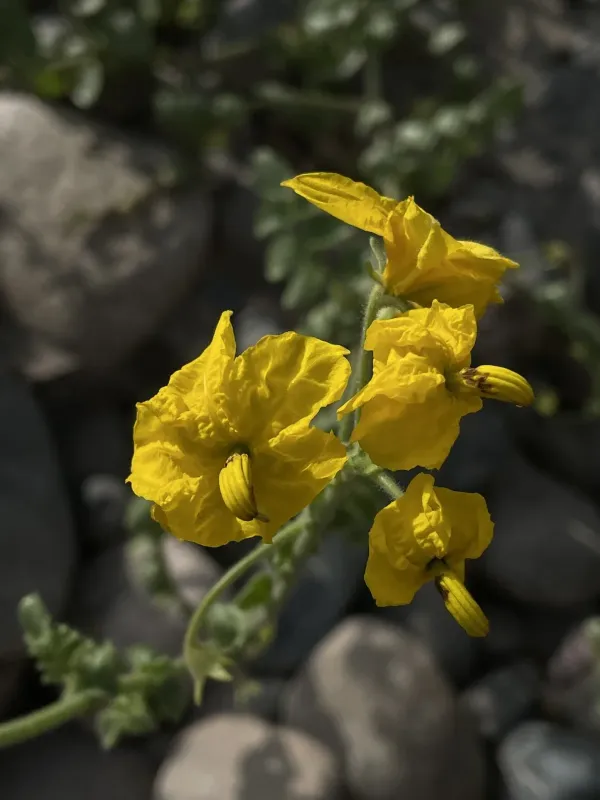
Description
Growing requirements
Solanum pennellii Correll is a wild herbaceous species belonging to the Solanaceae family. As a wild relative of the cultivated tomato (Solanum lycopersicum), it has become a cornerstone in genetic improvement programs aimed at enhancing crop resilience.
The plant originates from the arid regions of Peru, specifically along the western slopes of the Andes. It has evolved to thrive in environments with minimal precipitation, often growing in rocky soils at varying elevations.
Botanically, this species is characterized by unique glandular hairs (trichomes) on its foliage. These structures provide a dual function: they reduce water loss through transpiration and act as a chemical defense mechanism against various herbivores.
Regarding climatic requirements, Solanum pennellii demands high light intensity and well-drained, porous soil conditions. It is extremely sensitive to waterlogging, as its root system is adapted to oxygen-rich, arid substrates rather than wet soil environments.
In terms of agricultural and research use, this species is almost exclusively used for breeding purposes. It serves as a donor of desirable genes, particularly those associated with drought tolerance, salt tolerance, and improved fruit soluble solids content, which are crucial for developing modern tomato hybrids.
Main diseases and pests
While Solanum pennellii possesses significant natural resistance compared to domesticated varieties, it remains susceptible to specialized pests when grown in controlled environments like greenhouses or growth chambers.
Fungal diseases are the most common threat, particularly those associated with poor ventilation or high relative humidity. Root rot, caused by various soil-borne pathogens, often occurs if the growing substrate is not sufficiently aerated.
Insect pests, such as spider mites and whiteflies, are frequent challengers. Due to the sticky nature of the leaf exudates, some insects are deterred, but heavy infestations can still lead to reduced vigor and the transmission of viral diseases.
Viral infections represent a significant biological threat. Because the plant is often used in breeding, any viral contamination must be strictly managed to prevent the spread of diseases to valuable experimental lines.
Integrated pest management (IPM) is recommended to maintain plant health. This includes regular scouting for pests, using biological control agents, and maintaining a strict climate control protocol that prevents excessive moisture buildup on the plant surfaces.