
Black nightshade
Solanum nigrum L.
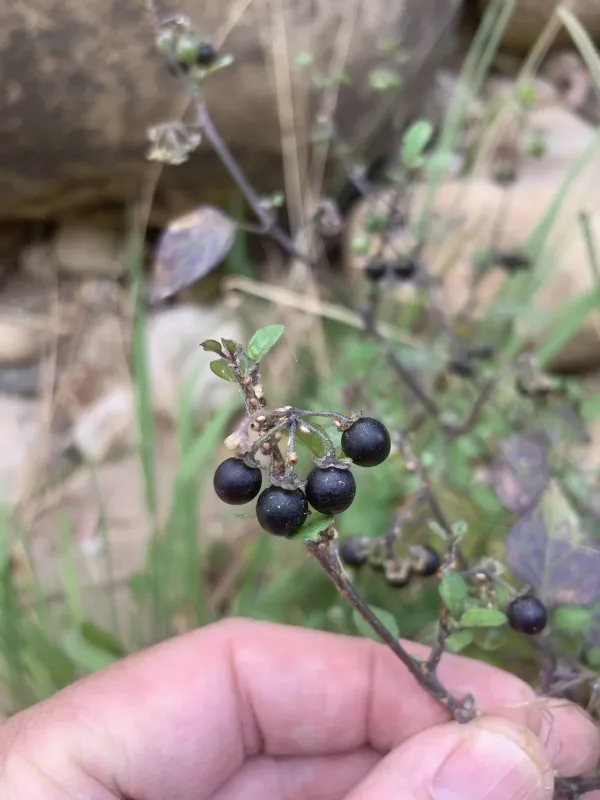
Description
Sowing dates
Black nightshade, scientifically known as Solanum nigrum, is typically cultivated as an annual herb. Seeds should be sown directly in the field once the danger of frost has passed and the soil has warmed sufficiently.
For a jump-start on the season, starting seeds indoors in trays 4-6 weeks before the final frost is highly recommended. This ensures that seedlings are robust enough to transplant into the garden.
Space plants approximately 30 to 45 centimeters apart to facilitate optimal air movement. Proper spacing is a key factor in reducing humidity around the foliage and preventing fungal issues.
The sowing depth for seeds is relatively shallow, about 1 to 2 centimeters. Firming the soil gently after sowing ensures adequate seed-to-soil contact, which is crucial for uniform germination.
Maintaining consistent moisture is vital during the germination phase, which usually lasts about two weeks. Once seedlings emerge, provide ample sunlight to encourage strong stem development.
Growing requirements
This crop thrives in sunny locations with well-drained, nutrient-rich soils. While it is adaptable, fertile sandy loams that retain some moisture are considered ideal for consistent production.
Being a heat-loving plant, black nightshade requires consistent temperatures between 20 and 25 degrees Celsius for active growth. It is highly sensitive to cold and must be protected from any frost.
Regular irrigation is essential, especially during the flowering and fruit-setting stages. Inconsistent watering can lead to fruit drop or reduced berry quality, impacting the overall yield.
Application of a balanced organic fertilizer at the beginning of the growing season supports healthy development. Supplemental phosphorus and potassium during the blooming stage can significantly improve berry quality.
The plant benefits from clean cultivation practices, including regular weeding to reduce competition for nutrients and water. Mulching around the base can help regulate soil moisture levels.
Yield
The yield of black nightshade is influenced by climate, soil health, and the level of management provided. Consistent attention to irrigation and pest control significantly boosts output.
Harvesting is typically done over several weeks because the berries do not ripen simultaneously. This staggered maturation allows for continuous harvesting throughout the late summer and early autumn.
Berries reach their peak quality when they are fully black and have a slightly soft texture. Harvesting at this stage ensures the best flavor and nutritional properties for the end product.
Efficient harvesting techniques involve carefully picking the ripe berries to avoid damaging the branches. Using light containers prevents crushing the delicate fruit during collection.
Yield management also involves removing any overripe or damaged berries to prevent them from becoming breeding grounds for secondary pests or fungal diseases in the field.
Main diseases and pests
Fungal diseases, such as blight and leaf spot, represent the most significant threats to the foliage of black nightshade. Preventive measures include ensuring good drainage and adequate spacing.
Pests like aphids, spider mites, and the Colorado potato beetle can quickly colonize the plants. Regular monitoring of the foliage is critical to catching infestations before they spread.
Weed control is an integral part of pest management, as many weeds act as alternative hosts for diseases that target Solanaceae family members. Keep the cultivation area clean and tidy.
Integrated Pest Management (IPM) strategies, including biological control agents and localized applications of appropriate pesticides, are recommended for maintaining a healthy crop.
- Regular inspection for signs of infestation.
- Avoid overhead watering to keep leaves dry.
- Rotate crops to prevent soil-borne pathogens.
Harvesting
Harvesting black nightshade is a manual task that requires attention to berry color. Only dark, fully mature berries should be collected, as they offer the best quality for consumption.
Post-harvest care is crucial, as the berries are highly perishable. Cooling them immediately after collection helps preserve their texture and flavor for a longer period.
Black nightshade fruits are widely utilized for making preserves, jams, and various culinary fillings. Their unique flavor profile makes them a specialty item in many traditional cuisines.
Cleaning the field after the final harvest is an essential step. Removing plant debris reduces the overwintering potential for common pests and diseases of the Solanum genus.
Always practice good hygiene during handling and processing. Because the juices can be staining, wearing gloves is advisable to maintain both product and workspace cleanliness.