
Waxy-leaf nightshade
Solanum glaucophyllum Desf.
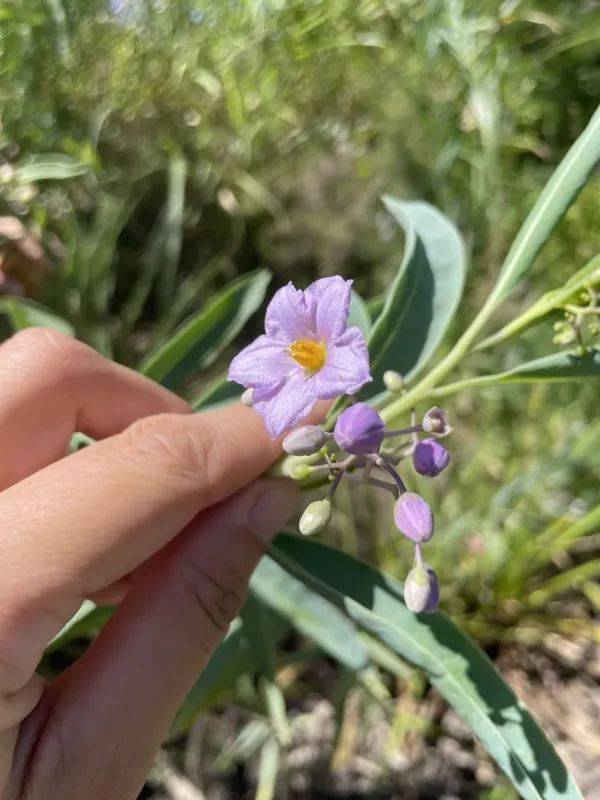
Description
Growing requirements
Waxy-leaf nightshade (Solanum glaucophyllum) is a perennial herbaceous plant belonging to the Solanaceae family. Native to South America, particularly Argentina, Brazil, and Paraguay, this species naturally thrives in wetlands, floodplains, and damp pastures.
The plant is characterized by a complex system of underground rhizomes, which facilitates vegetative spread and makes it a persistent grower. Its stems are erect, reaching heights of up to two meters, and the leaves have a distinctive glaucous or waxy appearance, which gives the plant its common name.
Cultivation requires abundant soil moisture and full sun exposure. It prefers heavy clay soils and is known for its high tolerance to temporary flooding, which often leads to the plant dominating low-lying agricultural areas that are otherwise unsuitable for conventional crops.
A crucial biological factor is the plant's ability to synthesize 1,25-dihydroxyvitamin D3-glycoside. While this makes the plant a subject of interest for pharmacological research for extracting vitamin D derivatives, it is highly toxic to livestock, causing a condition known as calcinosis.
Due to its toxic properties, waxy-leaf nightshade is generally managed as a weed rather than a cultivated crop in livestock-producing regions. Its presence necessitates rigorous control measures to prevent accidental ingestion by cattle, sheep, and horses.
Main diseases and pests
The primary concern regarding this plant is its status as a invasive weed in pasture lands. It competes aggressively with desirable forage grasses, significantly reducing the biomass availability for grazing animals and degrading the quality of fodder.
Various insect pests, including specific coleopterans (beetles), feed on the foliage of Solanum glaucophyllum. These insects can act as natural controls, though their impact is often insufficient to check the spread of the plant in favorable environments.
Fungal diseases, including downy mildew and leaf spots, can affect the plant during prolonged periods of high humidity and poor air circulation. However, the plant's natural chemical defenses provide significant resistance against many common pathogens.
Management techniques primarily involve mechanical eradication. Because of its deep rhizome system, mere mowing is ineffective. Excavating the root system or applying systemic herbicides is required to prevent re-sprouting from the vegetative buds found underground.
Integrated weed management also focuses on preventing seed dispersal. By maintaining healthy ground cover and implementing rotational grazing, farmers can create competition that discourages the colonization of waxy-leaf nightshade in productive fields.