
Solanum chmielewskii
Solanum chmielewskii (C.M. Rick et al.) D.M. Spooner et al.
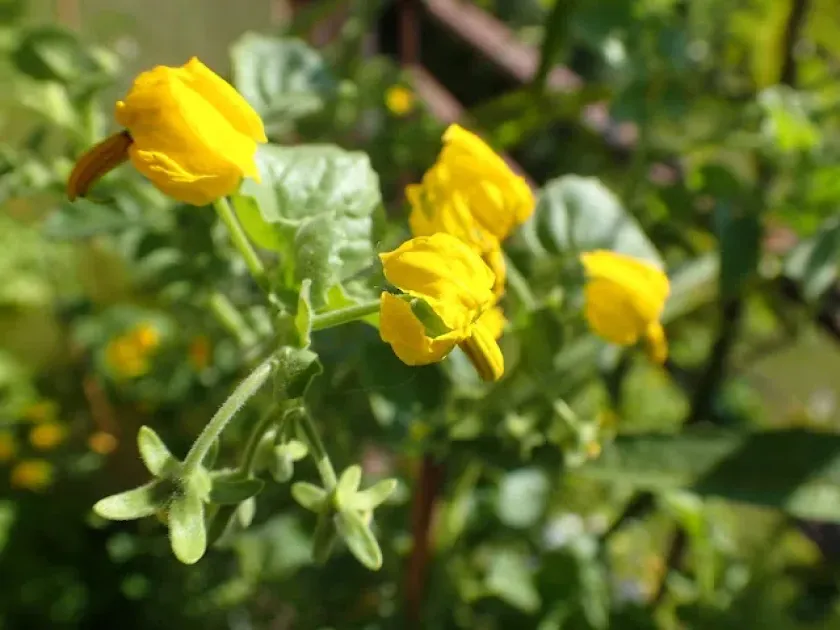
Description
Growing requirements
Solanum chmielewskii is a wild species within the Solanaceae family, widely recognized as a wild relative of the domesticated tomato. It serves as a crucial reservoir for genetic diversity, offering traits that have been lost during the centuries of crop domestication.
Native to the Andean regions, particularly in Peru, the plant is adapted to high-altitude environments. It thrives in well-drained, often rocky soils, demonstrating a remarkable ability to survive in environments where nutrient availability may be limited.
Climatic requirements for Solanum chmielewskii include high light intensity and moderate temperature fluctuations typical of mountain ecosystems. While it is hardy, controlled cultivation requires careful attention to avoid waterlogging and ensure sufficient aeration of the root system.
Botanically, the plant exhibits strong vegetative growth with specific leaf morphologies that help minimize transpirational water loss. Its flowers are typical for the genus, favoring natural pollination mechanisms that ensure species survival in the wild.
In modern agriculture, the primary use of this species is in plant breeding programs. Scientists utilize its genome to introduce genes associated with high sugar content, fruit flavor, and stress tolerance into commercial tomato cultivars, significantly impacting the quality of the end product.
Main diseases and pests
While possessing natural resilience, Solanum chmielewskii can encounter various threats when cultivated outside its native range. Like other nightshades, it is susceptible to typical fungal pathogens, particularly those thriving in high-humidity conditions.
Fungal diseases such as late blight (Phytophthora infestans) and early blight (Alternaria solani) represent the primary concerns for greenhouse cultivation. Managing these threats requires strictly controlled humidity and professional air circulation practices.
Pest management is equally important, as species such as spider mites and whiteflies can colonize the foliage. Biological control agents are often preferred over chemical pesticides to maintain the integrity of the plant material used in research.
Viruses transmitted by aphids and other sucking insects pose a constant risk, potentially compromising long-term breeding trials. Quarantine protocols and regular monitoring of plant health are essential to prevent the spread of infections within research facilities.
Studying the defense mechanisms of Solanum chmielewskii against these pests and diseases is a major area of research. By identifying the specific genes involved in its innate immunity, breeders aim to develop robust commercial varieties that require fewer chemical interventions.