
Carolina horsenettle
Solanum carolinense L.
Description
Growing requirements
Carolina horsenettle (Solanum carolinense L.) is a perennial herbaceous plant belonging to the Solanaceae family. It is widely recognized in agriculture as a troublesome weed that is difficult to eradicate due to its deep and aggressive root system.
Native to the southeastern United States, this species has successfully naturalized in many regions across the globe. It is highly adaptable to various climatic zones, making it a persistent invader in agricultural fields, pastures, and disturbed land.
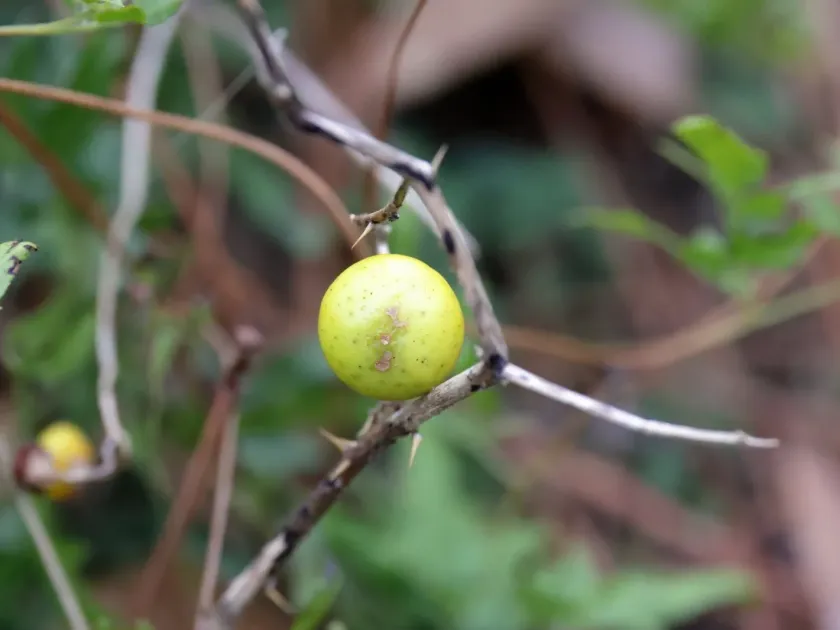
The plant features stems armed with sharp prickles and produces star-shaped flowers followed by yellow berries. Its biological success is driven by both seed dispersal and extensive creeping rhizomes, which can extend several feet deep into the soil.
Regarding soil requirements, it thrives in well-drained, sandy or loamy soils but is capable of surviving in various textures. The plant is drought-tolerant, which allows it to thrive in environments where other weeds might struggle during the hot season.
Agronomic control involves an integrated approach. Frequent tillage helps to deplete the carbohydrate reserves in the root system, while systemic herbicides are necessary for effective chemical suppression in crop rotations.
Main diseases and pests
Carolina horsenettle serves as a primary reservoir for various plant viruses, such as potato leafroll virus and tobacco mosaic virus. These pathogens can easily spread to nearby economically important crops, including potatoes and tomatoes.
The plant supports populations of major pests like the Colorado potato beetle. By acting as a host throughout the season, it provides a safe haven for these insects, which then migrate to cultivated crops, increasing pest management costs.
Its impact on crop yield is significant. By competing for essential resources like light, water, and minerals, the weed can cause substantial reductions in yield, often necessitating costly intervention to maintain farm productivity.
The plant contains toxic alkaloids, including solanine, making it poisonous to livestock if ingested. Cattle and horses grazing in infested pastures are at risk, which can cause digestive issues or even fatal poisoning in extreme cases.
Due to its invasive nature and quarantine status in many regions, stringent surveillance is required. Preventing the movement of contaminated soil or machinery is essential to limit the expansion of Carolina horsenettle infestations.