
Florida oyster mushroom
Pleurotus florida
Description
Sowing dates
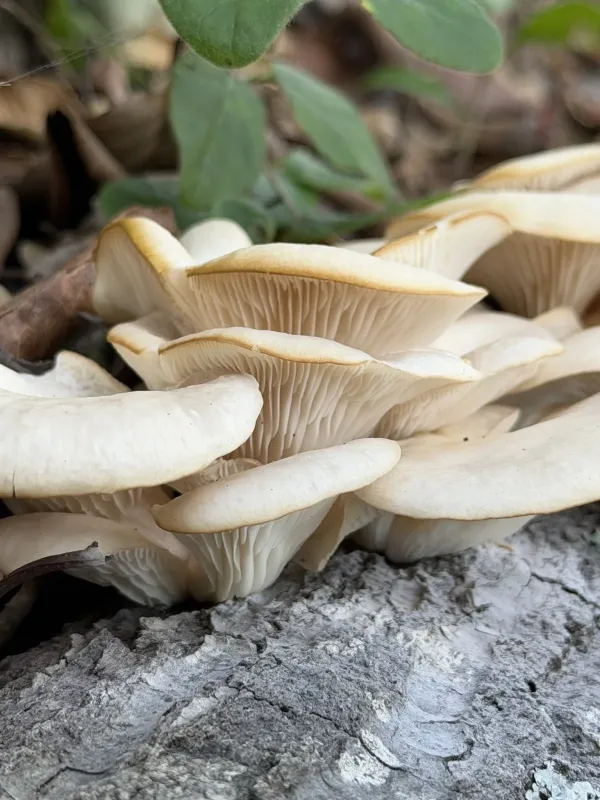
The Florida oyster mushroom (Pleurotus florida) belongs to the Pleurotaceae family. It is a thermophilic species, making it highly suitable for cultivation in controlled indoor environments throughout the year.
Cultivation begins with the inoculation of a prepared substrate, such as straw, cottonseed hulls, or hardwood sawdust, using high-quality grain spawn under sterile conditions.
The incubation period typically lasts 14 to 21 days at temperatures ranging from 22°C to 26°C. During this time, the mycelium colonizes the substrate block completely, preparing it for the fruiting phase.
Once the substrate is fully colonized, the blocks are moved to a fruiting chamber where environmental triggers, including light and humidity, initiate the development of mushrooms.
The efficiency of the spawn run is heavily dependent on the density and moisture content of the substrate, which must be carefully balanced to prevent mold contamination.
Growing requirements
Florida oyster mushrooms require warm temperatures between 18°C and 24°C to thrive, which distinguishes them from some other Pleurotus species that prefer cooler climates.
Light is essential for proper development; mushroom clusters require 8 to 12 hours of diffuse light daily to ensure the caps expand correctly rather than becoming thin and leggy.
High relative humidity, ideally between 85% and 92%, must be maintained in the fruiting chamber to prevent the mushroom primordia from drying out.
Adequate air exchange is crucial to keep CO2 levels below 0.1%, as high carbon dioxide concentrations will inhibit cap growth and encourage excessive stipe elongation.
The substrate pH should be maintained between 6.0 and 6.5. Regular monitoring of the growing environment is necessary to achieve optimal biological efficiency.
Yield
The biological efficiency of the Florida oyster mushroom can reach 20% to 30% of the wet substrate weight, depending on the strain and the quality of the substrate.
Growers can typically expect three to four harvest flushes, with the first two flushes accounting for the majority of the total yield production.
Consistency in the growing parameters is key to achieving uniform clusters. Proper spacing between blocks allows for better air circulation and prevents overcrowding during the harvest period.
After each flush, the blocks require a short recovery period to allow the mycelium to regenerate before the next wave of fruiting begins.
Effective management of the substrate nutrient content, often through the addition of supplements like wheat bran, can significantly enhance overall productivity.
Main diseases and pests
Fungus gnats and sciarid flies are the most common pests, as they lay eggs in the substrate and their larvae can consume the mycelium from within.
Bacterial blotch is a common disease characterized by dark, sunken spots on the caps, often caused by poor air circulation or water droplets remaining on the mushrooms.
Green mold (Trichoderma) is a persistent competitor that thrives in poorly sterilized substrate, rapidly outcompeting the oyster mycelium during the colonization stage.
Mites can act as vectors for viruses and other pathogens, necessitating strict hygiene protocols and the use of insect-proof netting on air intakes.
Regular sanitation of the facility and the prompt removal of spent mushroom compost are essential strategies to prevent the buildup of pest and disease populations.
Harvesting
Harvesting should occur just before the edge of the mushroom cap begins to flatten or curl upwards, ensuring that the mushrooms do not release excessive spores.
The entire cluster should be harvested by cutting it at the base where it attaches to the substrate block to avoid leaving necrotic tissue that could invite pests.
Post-harvest handling requires immediate cooling to 2°C–4°C to slow down respiration rates and extend the shelf life of the fresh product.
Proper packaging in breathable containers is recommended to prevent excessive moisture accumulation while protecting the delicate caps from damage.
- Harvesting with a sterile, sharp knife
- Sorting by cluster size and maturity
- Maintaining a cold chain after harvesting
- Cleaning substrate debris from mushroom bases
- Regularly sanitizing the harvesting area