
Vietnamese ginseng fuscidiscus
Panax vietnamensis var. fuscidiscus K.Komatsu, S.Zhu & S.Q.Cai.
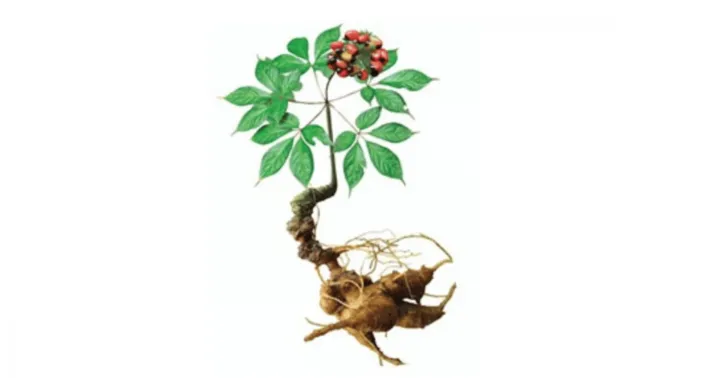
Description
Sowing dates
Propagation of this ginseng subspecies is primarily achieved through seeds, which require a prolonged cold stratification process. This mimics the natural dormancy cycle experienced in their native mountainous habitats.
Sowing occurs in specialized nurseries using a well-draining, humus-rich substrate that simulates forest litter. Seeds are planted at a depth of 2–3 centimeters, with careful attention to moisture levels to prevent rotting.
Early spring is the preferred time for sowing in controlled environments, allowing for a structured germination phase. Agronomists often employ specific treatments to enhance germination rates of these slow-growing seeds.
Young seedlings develop extremely slowly and require consistent shade for the first three years of their life cycle. As a member of the Araliaceae family, this plant is strictly adapted to low-light conditions.
Once the seedlings are sufficiently hardened, usually by age three, they are transplanted to permanent plots. Proper spacing is maintained to ensure air circulation and reduce the risk of humidity-related issues.
Growing requirements
Vietnamese ginseng fuscidiscus thrives in a specific microclimate characterized by cool temperatures and high humidity, typical of high-altitude tropical forests. It is highly sensitive to heat stress and fluctuations.
The ideal soil is loose, friable, and rich in organic matter with a slightly acidic to neutral pH level. Exceptional drainage is non-negotiable to prevent root rot and physiological disorders during the growing season.
Artificial shading, provided by high-quality shading nets, is an essential component of the cultivation technology. Direct sunlight can cause severe leaf scorch and damage the plant's metabolic processes.
Air humidity must be maintained at elevated levels to ensure healthy growth. Regular monitoring of the substrate moisture is required to keep it balanced, as neither waterlogging nor extreme dryness is tolerated.
The plant is sensitive to environmental stressors, requiring a sheltered location protected from strong winds. Maintaining these precise conditions is key to ensuring the accumulation of bioactive compounds in the root.
Yield
The primary economic value of this crop lies in its root, which contains a unique and potent profile of saponins. These compounds make it a highly sought-after raw material for the pharmacological industry.
Commercial maturity is reached after 5 to 7 years of growth. This long production cycle contributes to the high market value of the crop, necessitating a long-term investment strategy for growers.
Careful handling during harvest is essential, as the quality and grade of the ginseng root are determined by its integrity and appearance. Minimal mechanical damage ensures the product meets premium quality standards.
Yield efficiency is managed by optimizing soil nutrient profiles and protecting plants from environmental stress. Sustainable practices are prioritized to ensure the long-term viability of the plantation.
Products derived from this subspecies include specialized supplements and therapeutic extracts. The rarity of the plant guarantees a stable demand in markets focused on high-quality botanical medicine.
Main diseases and pests
Fungal diseases, particularly root and neck rot, represent the most significant threat to cultivation. High humidity levels combined with poor aeration create an ideal environment for these pathogens.
Soil-borne pests like nematodes and slugs can cause significant damage to the roots and tender stems. Prevention through strict site hygiene and biological control agents is the primary strategy for managing these pests.
Plants under stress from improper light or water management become increasingly vulnerable to infections. Maintaining optimal growth conditions is the best form of defense against secondary pest and disease infestations.
Regular monitoring of the foliage and root zones allows for early intervention before outbreaks spread. Integrating smart monitoring tools can help agronomists manage these biological threats effectively.
Adhering to proper crop rotation or sanitizing the soil before replanting helps reduce the buildup of soil-borne pathogens, ensuring the health of subsequent generations of the crop.
Harvesting
Harvesting is performed at the end of the growth season when the plant goes dormant. This timing ensures that the concentration of medicinal compounds within the root is at its annual peak.
Manual extraction of the roots is necessary to preserve the delicate root architecture. Skilled labor is required to carefully lift the entire root system without causing breakage or bruising.
Post-harvest processing involves gentle cleaning to remove soil remnants. The roots are then graded based on size and quality before being prepared for the drying phase of the process.
The drying process is strictly controlled to prevent the degradation of heat-sensitive saponins. Slow, low-temperature drying methods are used to preserve the chemical potency and aesthetic quality of the root.
Final packaging is designed to protect the roots from environmental moisture and light, which ensures the product retains its efficacy and value until it reaches the end consumer.