
Vietnamese ginseng
Panax vietnamense Ha & Grushv
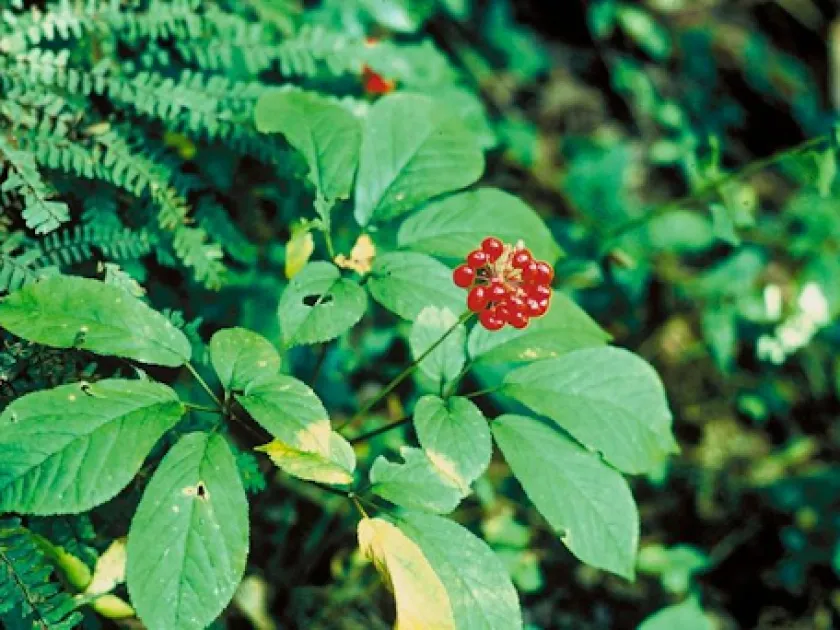
Description
Sowing dates
Propagation of Vietnamese ginseng is primarily carried out through seeds, and occasionally by rhizome division. The seeds require a mandatory and prolonged stratification process, which can last up to 18 months under natural conditions.
Sowing in nurseries is performed during the autumn period to allow the seeds to undergo a natural cooling cycle within the soil. It is crucial to maintain an appropriate planting depth, typically between 3 and 5 centimeters, to ensure optimal germination rates.
Germination is notoriously slow and irregular, a characteristic attributed to the complex seed dormancy biology of this specific species. Agronomists strongly recommend using fresh seeds to improve the overall germination percentage.
Once the first true leaves emerge, the seedlings require protection from direct sunlight and substrate desiccation. The intensity of care provided during these initial stages determines the future viability of the crop.
Transplanting to the permanent cultivation site should be done no earlier than two years after germination. By this stage, the root system is sufficiently developed to withstand the shock of transplanting.
Growing requirements
Vietnamese ginseng (family Araliaceae) is an endemic species from the Central Highlands of Vietnam, evolving in the specific conditions of tropical forests at high altitudes. It is highly sensitive to microclimate fluctuations and requires high air humidity.
Successful cultivation necessitates loose, humus-rich soil with a neutral or slightly acidic pH. A critical requirement is excellent drainage, as even brief waterlogging can lead to rapid rhizome decay.
The plant is a strict sciophyte, meaning it requires significant shade. In commercial farming, artificial shading structures are employed to provide 70–80% light reduction compared to full sun exposure.
The temperature regime must remain moderately cool, as the plant struggles with heat levels exceeding 28–30 degrees Celsius. The ideal environment provides stable temperatures without sharp diurnal fluctuations.
In its natural habitat, Vietnamese ginseng thrives under the forest canopy within a thick layer of leaf litter. During cultivation, this is simulated through mulching with wood chips or pine needles to maintain moisture and soil structure.
Yield
The maturation period for Vietnamese ginseng root typically spans from 6 to 10 years. Only after reaching this maturity does the plant accumulate a sufficient concentration of saponins, which define its medicinal and commercial value.
Crop yields under intensive management can reach several centners of dry root per hectare. However, the slow growth rate makes commercial production a high-investment and long-term endeavor.
Root mass increases unevenly; development is slow in the early years, with the primary biomass accumulation occurring during the second half of the plant's life cycle. Quality is assessed based on root shape, weight, and concentration of bioactive compounds.
The biochemical composition of Vietnamese ginseng is unique due to its high content of specific mayenosides. This distinct chemical profile makes the species more highly valued than other members of the Panax genus.
Economic utilization focuses on the pharmaceutical industry, where the roots are processed into tonics and adaptogenic supplements. It is prized for its ability to enhance the body's resistance to stress and infection.
Main diseases and pests
The greatest threats to Vietnamese ginseng are fungal diseases affecting the root system. Among these, Fusarium wilt and Phytophthora blight are the most devastating, especially when humidity levels are improperly managed.
Pests such as wireworms and nematodes can cause significant damage to the roots underground. Preventive measures, including soil disinfection before planting and rigorous crop rotation, are essential.
The foliage is susceptible to anthracnose and various leaf spot diseases, particularly during periods of prolonged rainfall. Prompt removal of infected plant tissue helps stop the spread of disease at an early stage.
Slugs and snails frequently damage young seedlings, particularly in the damp, shaded environments of ginseng farms. Barrier methods and biological control agents are commonly used to mitigate these risks.
Maintaining sanitary standards on the plot is a critical survival factor. Excessive planting density promotes poor air circulation and the development of epiphytotics, so regular thinning is strongly recommended.
Harvesting
Harvesting is conducted manually using specialized tools to preserve the integrity of the roots. Any mechanical damage significantly lowers the commercial grade and market value of the final product.
The optimal harvest time is late autumn, as the aerial parts of the plant begin to die back. During this phase, nutritional compounds are at their peak concentration within the rhizome.
After excavation, the roots are cleaned of soil residue, washed with clean water, and sorted by size and quality. A high-quality root must be firm, dense, and free of any internal hollows or rot.
Drying is performed in specialized chambers under strict temperature control, not exceeding 40–45 degrees Celsius. Excessive heat causes the degradation of active components and reduces the therapeutic efficacy.
The finished raw material is stored in airtight containers in a cool, dark place protected from humidity. Adherence to proper storage protocols ensures the preservation of the root's unique properties for several years.