
Panax notoginseng
Panax notoginseng (Burkill) F. H. Chen ex C. Y. Wu & K. M. Feng
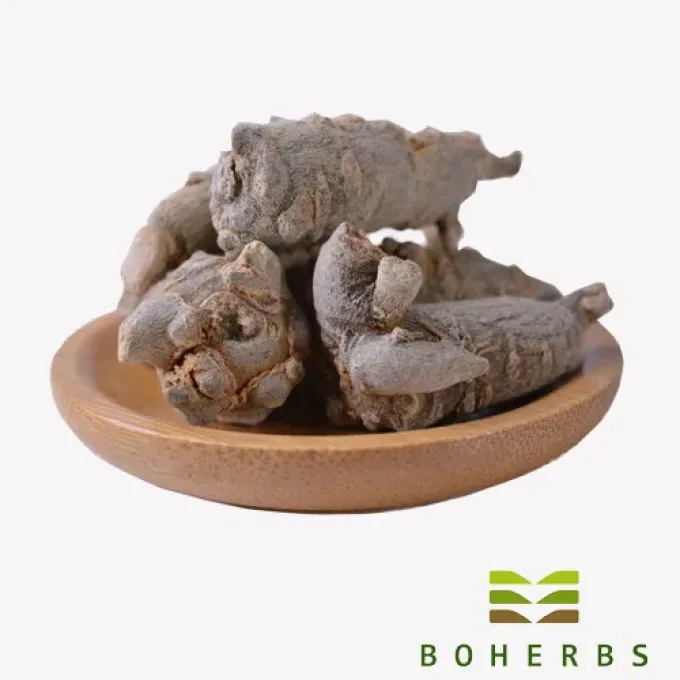
Description
Sowing dates
Panax notoginseng is a herbaceous perennial plant belonging to the Araliaceae family. In agricultural practice, it is propagated primarily through seeds harvested from mature plants.
Sowing is typically performed in the autumn. Before planting, seeds often undergo stratification to break dormancy and ensure uniform germination in the following spring.
Seeds are placed in well-prepared seedbeds at a depth of 2–3 cm. Proper spacing is critical to ensure sufficient air circulation, as the plant is prone to fungal infections.
Moisture control is essential during the germination phase. The soil should be kept consistently damp but never waterlogged to prevent rot of the sensitive embryos.
For large-scale operations, professional growers monitor seedbeds closely during the initial spring growth to identify and remove any diseased or weak seedlings.
Growing requirements
The plant requires a specialized microclimate that mimics its natural high-altitude environment. Artificial shading structures are mandatory to protect the plants from direct, intense sunlight.
Soil quality is paramount; it must be loose, rich in organic matter, and provide excellent drainage. Any water accumulation in the root zone is extremely detrimental.
The ideal temperature for development ranges from 15 to 25 degrees Celsius. Heat stress can significantly inhibit the accumulation of valuable saponins in the roots.
A consistent supply of nutrients is required throughout the growing season. Growers often use a combination of well-rotted compost and balanced mineral fertilizers.
Maintenance involves frequent weeding, as the crop is not competitive against aggressive weeds, which can rob the soil of nutrients and harbor pests.
Yield
Panax notoginseng is a slow-growing crop, with a typical production cycle ranging from 3 to 5 years. This duration is necessary to achieve the desired medicinal potency.
The harvest yield is measured by the total weight and the quality of the dried roots, which are assessed based on their chemical composition and size.
Optimal timing for harvest is crucial. The peak concentration of bioactive compounds is generally found in the root system just before the plant enters winter dormancy.
Productivity is highly dependent on rigorous adherence to the cultivation plan, particularly in protecting the crop from seasonal threats during its multi-year growth.
Effective post-harvest management, including proper cleaning and drying protocols, determines the ultimate economic value of the harvested crop.
Main diseases and pests
The greatest threat to Panax notoginseng crops is the prevalence of soil-borne pathogens, particularly those responsible for root and stem rot diseases.
High humidity levels under shading structures create a favorable environment for fungal outbreaks, which can spread rapidly if not managed immediately.
Nematodes are a significant pest, as they damage the root cortex, reducing the market value of the product and providing pathways for secondary bacterial infections.
Preventive strategies include long-term crop rotation and the use of healthy, disease-free seed stock to minimize the risks of recurring outbreaks.
- Fusarium wilt
- Phytophthora root rot
- Root-knot nematodes
- Powdery mildew
Harvesting
Harvesting is performed in late autumn or early winter when the aerial parts of the plant wither, signaling the peak storage of nutrients in the roots.
Manual labor is used for extraction to ensure that the delicate roots remain intact. Mechanical tools like pitchforks are used carefully to lift the root system.
After excavation, roots are washed to remove soil and sorted based on maturity and size. Any roots displaying damage or signs of rot are discarded immediately.
The drying process is carefully controlled. Roots are dried in shaded, ventilated areas to ensure the degradation of sensitive compounds does not occur.
Once dried, the product is packaged in moisture-proof containers. Maintaining a cool and dry storage environment is essential for preserving quality over time.