
Himalayan ginseng
Panax pseudoginseng Wall
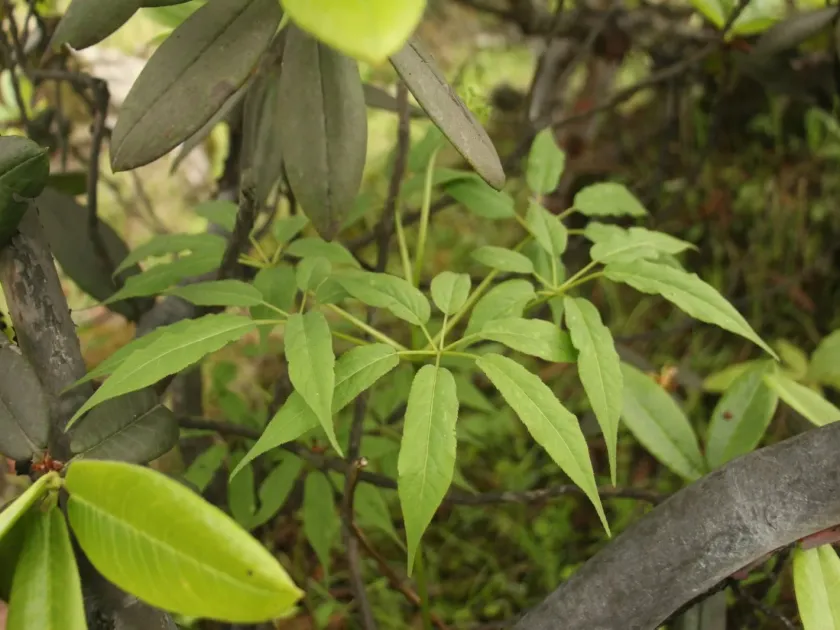
Description
Sowing dates
Sowing of Panax pseudoginseng seeds typically occurs in the autumn, as the seeds require a period of natural stratification to break dormancy and ensure germination.
Seeds should be sown in a well-draining, organic-rich soil mix, ideally mimicking the natural forest floor conditions, at a depth of approximately 2–3 centimeters.
Maintaining consistent soil moisture is crucial during the germination phase, although care must be taken to prevent waterlogging, which often results in seed rot.
Professional nurseries often prefer transplanting seedlings rather than direct seeding to maximize germination rates and allow for better spacing and initial plant care.
Ensuring adequate ventilation and proper plant spacing is essential from the beginning to prevent fungal outbreaks that frequently affect young seedlings in dense conditions.
Growing requirements
Himalayan ginseng, a member of the Araliaceae family, is a shade-loving crop naturally found in the temperate, cool mountain regions of the Himalayas and East Asia.
The plant thrives in soil that is loose, acidic to neutral, and packed with organic matter, requiring excellent drainage to prevent root diseases.
A controlled shade environment is mandatory for this species, as high-intensity sunlight can cause severe leaf scorch and inhibit the plant's metabolic processes.
Environmental conditions must remain cool and stable; excessive heat or extreme temperature fluctuations can significantly stress the plant and reduce its pharmacological quality.
Regular irrigation is necessary, though it must be balanced carefully to keep the soil moist without creating an anaerobic environment detrimental to the root system.
Yield
The yield of Panax pseudoginseng is inherently slow-developing, as the accumulation of active compounds occurs progressively over a multi-year growth cycle.
Commercial harvesting is recommended only after the plants have reached at least 4 to 5 years of age, ensuring the roots have attained sufficient therapeutic concentration.
Yields per square meter are lower compared to traditional root crops, reflecting the intensive care and long duration required to produce high-quality medicinal material.
Quality is prioritized over quantity; a well-formed, dense root with no internal damage commands a significantly higher market price than larger, poorly cultivated roots.
Techniques such as strategic organic fertilization help improve root size and vigor, provided they do not negatively alter the balance of active ginsenosides in the root.
Main diseases and pests
Fungal diseases, particularly those involving root rot and leaf blight, represent the most significant threat to Himalayan ginseng plantations, especially in humid conditions.
Pests such as nematodes and various subterranean insects can devastate a crop, as they cause physical damage to the root, which is the primary marketable part of the plant.
Management of diseases is challenging due to the strict safety requirements for herbal products, leading growers to rely on preventive cultural practices rather than chemical treatments.
Maintaining good soil hygiene and ensuring optimal airflow within the canopy are the best strategies to minimize the incidence of plant-pathogenic infections.
Early identification of diseased plants is critical; infected individuals should be removed immediately to prevent the spread of pathogens throughout the planting area.
Harvesting
Harvesting takes place at the end of the growing season when the above-ground foliage begins to senesce and the plant channels energy reserves into the root system.
The roots are meticulously excavated by hand to prevent structural damage, as any bruising or breakage can lead to quality degradation and increased risk of rot during storage.
Once harvested, roots are cleaned of soil particles using gentle methods, followed by a curing process that ensures the product remains stable for pharmaceutical use.
The drying phase is strictly controlled regarding temperature and humidity to preserve the integrity of the active ingredients and achieve the desired final quality.
- Manual excavation of roots
- Washing and soil removal
- Grading based on root size
- Controlled dehydration
- Storage in dry, breathable containers