
Cochin lemongrass
Cymbopogon flexuosus (Nees) Will. Watson
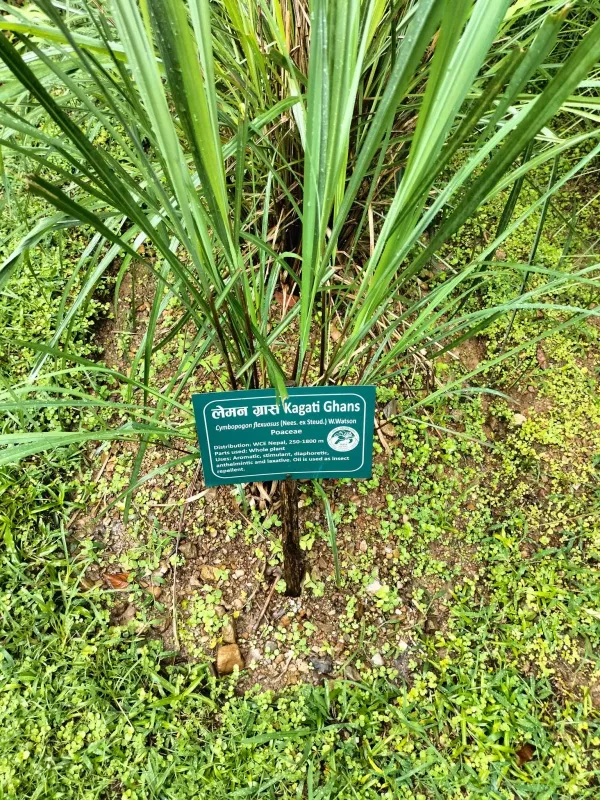
Description
Sowing dates
Cochin lemongrass Cymbopogon flexuosus is a perennial grass of the Poaceae family, most commonly propagated vegetatively by dividing existing clumps for commercial production.
The optimal time for transplanting these divisions is at the onset of the rainy season, as the moist soil facilitates rapid root development and establishment.
When using seeds, sowing in nurseries should take place 6–8 weeks before the start of consistent warm weather, as seedlings are highly sensitive to cold stress.
In subtropical climates, year-round planting is possible provided there is a reliable irrigation system to maintain optimal soil moisture levels throughout the growth cycle.
Planting density is typically maintained at 20,000 to 30,000 plants per hectare, ensuring each plant has adequate space to maximize foliage production.
Growing requirements
Being a tropical plant, Cochin lemongrass requires warm temperatures, ideally never falling below +15°C, to maintain healthy metabolic activity and essential oil synthesis.
The crop thrives in well-drained, fertile loamy or sandy soils with a pH ranging from 5.0 to 7.5 to support its extensive root system and nutrient uptake.
It has a high requirement for direct sunlight; even partial shade can significantly reduce the concentration of citral and other essential oils in the leaves.
While the plant needs regular watering for vigorous growth, it is intolerant to waterlogged soils, which promote root rot and various fungal pathogens.
Strategic application of nitrogen fertilizers is essential to encourage rapid vegetative growth, which is the primary source of the economically valuable essential oil.
Yield
The yield of green biomass depends heavily on the level of agricultural management and the number of cuts performed during each growing season in specific regions.
Under intensive cultivation conditions, a grower can expect to harvest between 15 and 25 tons of fresh grass per hectare over the course of the growing cycle.
The recovery of essential oil from the fresh biomass usually ranges from 0.5% to 1%, making it a highly profitable crop when processed efficiently on-site.
Peak production is typically recorded in the second and third years after planting, after which the rate of vegetative growth begins to show a gradual decline.
To ensure high productivity, it is recommended to rejuvenate the plantation every 4–5 years by replanting, as older clumps lose vigor and oil quality.
Main diseases and pests
The crop is susceptible to leaf spot diseases caused by various fungi, which tend to proliferate rapidly in high humidity and poorly ventilated environments.
Root rot represents a significant threat during periods of excessive rainfall, necessitating strict water management and proper field drainage infrastructure.
Pests such as stem borers and various species of nematodes can cause substantial damage to the root system and plant tissue, hindering nutrient uptake.
Integrated pest management, including crop rotation, the use of resistant varieties, and timely removal of infected parts, is crucial for maintaining crop health.
- Prophylactic fungicide applications.
- Consistent weed management practices.
- Soil moisture and drainage monitoring.
- Use of certified disease-free planting material.
Harvesting
The first harvest can typically be conducted 4–6 months after planting, once the plants have attained sufficient height and clump density for cutting.
Harvesting is performed by cutting the stems at a height of 10–15 centimeters above the soil line, which triggers rapid regrowth for the next harvest cycle.
For essential oil production, it is vital to process the fresh material as soon as possible after cutting to prevent the evaporation of volatile aromatic compounds.
Harvesting during dry weather is preferred, as excess surface moisture on the leaves can decrease oil quality and increase the energy required for processing.
Depending on the climatic conditions, farmers can perform 3 to 4 harvests per season, maintaining a continuous supply chain for the distillation plant.