
Cymbopogon refractus
Cymbopogon refractus (R. Br.) A. Camus
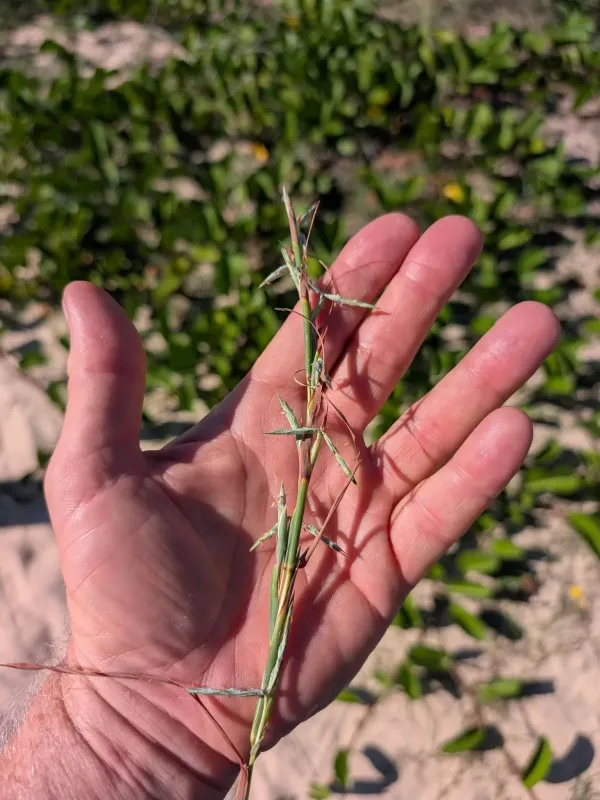
Description
Sowing dates
Cymbopogon refractus is a perennial grass species belonging to the Poaceae family, commonly known in its native regions for its resilience and structural growth patterns.
Sowing should ideally occur in the spring, once the soil has warmed sufficiently to support germination and the establishment of a robust root system.
Seeds require a well-prepared seedbed with fine texture and high aeration to ensure proper contact and avoid deep burial, which can inhibit the sprouting process.
Optimal germination rates are achieved when seeds are kept at a consistent moisture level while receiving sufficient light, as this species is sensitive to light exposure during early growth.
In larger-scale agronomic applications, precision drills are used to maintain consistent row spacing, which helps in managing weed pressure during the initial weeks of development.
Growing requirements
This species thrives in open, sunny environments where it can receive direct sunlight, which is crucial for maintaining its vigor and essential oil composition.
It prefers sandy or loamy soils that offer excellent drainage, as the species is highly susceptible to root damage caused by prolonged waterlogging or poor soil structure.
Cymbopogon refractus is known for its tolerance to dry conditions, making it an excellent candidate for regions where water efficiency is a priority in agricultural planning.
Soil pH levels should remain in the neutral range, as extreme acidity or alkalinity can limit the availability of key micronutrients required for healthy vegetative growth.
The plant adapts well to temperate to warm climates, provided that temperature fluctuations remain within a range that does not threaten the vitality of the overwintering crowns.
Yield
The productivity of Cymbopogon refractus is largely determined by the management of nitrogenous nutrients and the timing of irrigation during the peak growth phase.
Consistent biomass yield is achievable through controlled harvesting cycles, which prevent the grass from reaching a lignified, low-quality state in later stages.
Sustainable yield management involves periodic rejuvenation of the stand through division or appropriate pruning, which ensures the plant remains in a highly active vegetative phase.
The total yield per hectare is influenced by the density of the initial planting and the ability of the crop to canopy over, effectively suppressing invasive weed species.
Quality control during the harvest process is essential, as the timing of the cut directly impacts the concentration of nutrients available in the final dry matter.
Main diseases and pests
Primary threats to the crop include various fungal pathogens that flourish in high-humidity conditions, particularly if air circulation between plants is restricted.
Pest pressure from aphids or mites can occur during prolonged hot and dry spells, necessitating regular field scouting to apply integrated pest management strategies.
Maintaining a clean field environment through weed management is a vital strategy for reducing the prevalence of pests and diseases that may use weeds as alternate hosts.
Strategic use of biological controls is preferred over chemical interventions to maintain the ecological balance and the quality of the harvested biomass for downstream uses.
Regular monitoring for signs of stress, such as yellowing or wilting, allows farmers to address nutritional deficiencies or early-stage infections before they cause significant yield loss.
Harvesting
Harvesting is typically performed using forage harvesters or mowers set at a height that allows for quick regrowth without causing stress to the plant's crown.
Post-harvest management involves drying the material in controlled environments to ensure that moisture content drops to levels that prevent mold and microbial spoilage.
Storage should be in cool, dry, and well-ventilated locations to preserve the integrity of the harvested material, whether it is intended for fodder or other industrial uses.
The frequency of harvesting should be adjusted based on the specific maturity stage requirements and the environmental capacity for rapid regrowth after each cut.
Efficient handling during the harvest process reduces physical loss and ensures that the maximum amount of high-quality material is preserved for processing or usage.