
Lemongrass
Cymbopogon citratus (DC.) Stapf
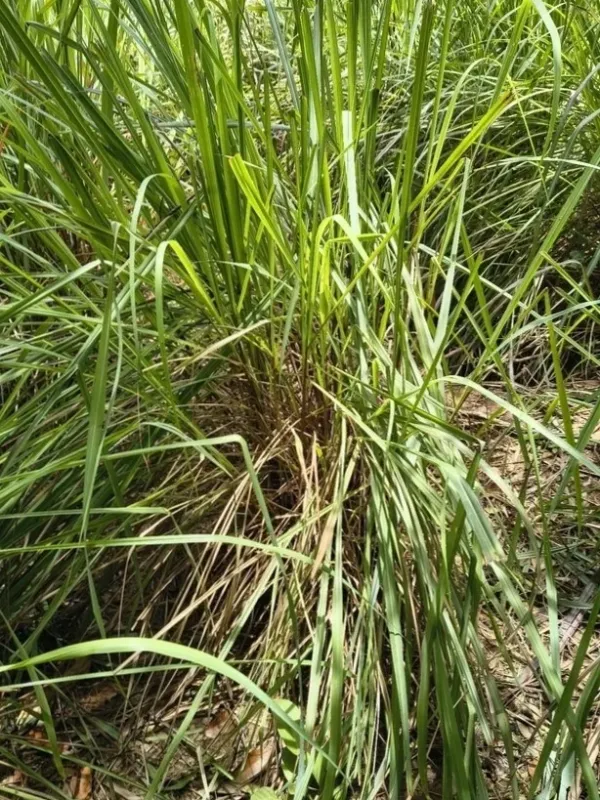
Description
Sowing dates
Lemongrass (Cymbopogon citratus) is a perennial grass belonging to the Poaceae family. It is widely cultivated in tropical and subtropical regions for its culinary and essential oil properties, while in cooler climates, it is grown as an annual or a container plant.
The most common method of commercial propagation is the division of established clumps. This vegetative method ensures consistent plant quality and rapid establishment of the crop in the field.
For seed propagation, sowing is carried out in nurseries or protected greenhouses at least two months before the final frost date. Optimal germination requires consistently warm soil temperatures around +20°C.
Transplanting into the open field should only occur once the soil is thoroughly warmed and the risk of frost has passed completely. Providing adequate spacing is essential for plant development and airflow.
Selecting a site with full sunlight and protection from cold winds is critical, as this plant is sensitive to thermal stress and thrives only when conditions mimic its native tropical habitat.
Growing requirements
Lemongrass is a heliophilic and thermophilic plant, requiring temperatures between +20°C and +30°C for optimal growth. It is highly sensitive to cold and will cease growth if temperatures drop below +10°C.
The soil should be well-drained, fertile, and sandy-loam in texture with a pH range of 6.0 to 7.5. Waterlogged conditions must be avoided, as they lead to root rot and significant crop losses.
Regular irrigation is necessary to maintain high green mass production, especially during the dry season. However, moisture management must be balanced with soil aeration to prevent fungal pathogens.
Fertilization regimes should prioritize nitrogen for vegetative growth, supplemented by balanced organic matter. Healthy soil structure is vital to support the plant's robust root system and leaf production.
Exposure to direct sunlight for the majority of the day is essential, as shading reduces the essential oil content and aromatic profile of the lemongrass stalks.
Yield
Yield capacity for lemongrass is primarily dependent on planting density and management practices. Multiple harvests per season are possible under ideal tropical conditions.
The primary yield metric is the total green biomass per hectare, which can range from 15 to 20 tons. The quality of the output is largely dictated by the citral content within the essential oil.
Harvesting for essential oil production begins when the plants reach maturity, usually 4 to 6 months after transplanting. Strategic cutting helps maintain the longevity and health of the perennial roots.
For culinary use, plants are harvested at a younger, more tender stage to ensure premium product quality. Mechanical harvesting is preferred in large-scale operations to optimize efficiency.
Processing facilities should be located near the harvest site to minimize the time between cutting and distillation, ensuring the preservation of volatile aromatic compounds.
Main diseases and pests
Fungal diseases, including leaf rust and various blights, are the most significant threats to lemongrass, particularly in environments with high humidity and poor air circulation.
Common pests such as aphids and spider mites can infest the crop, especially in greenhouse environments or during periods of prolonged drought that weaken the plant's natural defenses.
Integrated pest management, including regular crop scouting and the use of biological controls, is highly recommended to protect the crop without compromising essential oil quality.
Maintaining proper distance between plants is a vital cultural control measure, as it increases airflow and reduces the micro-humidity that pathogens require for infection.
If diseased plants are identified, they should be removed and disposed of away from the main field to prevent the spread of soil-borne or airborne pathogens to healthy areas.
Harvesting
Harvesting involves cutting the stalks at a height of 3–5 cm above the soil surface. This precise cutting encourages the plant to regenerate quickly, allowing for sustained production cycles.
Post-harvest handling is critical; the stalks must be kept cool and well-ventilated to prevent rapid dehydration and loss of volatile oils. Immediate transport to the processing facility is standard.
For essential oil extraction, the green biomass is shredded or chopped prior to steam distillation. This process maximizes the yield and improves the efficiency of oil recovery from the fibers.
Stalks intended for the food market are cleaned, trimmed of excess outer foliage, and bundled. Proper bundling techniques are essential to maintain freshness and facilitate easier logistics.
Because the plant regrows after each cut, growers can maximize their seasonal output by carefully managing the harvest schedule and providing adequate water and nutrients between cutting cycles.