
Cymbopogon goeringii
Cymbopogon goeringii (Steud.) A. Camus
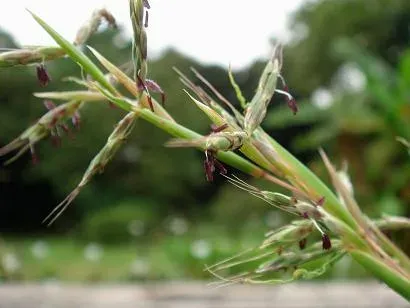
Description
Growing requirements
Cymbopogon goeringii (Steud.) A. Camus is a perennial herbaceous plant belonging to the Poaceae family. Native to East Asia, it has been traditionally used in local medicine and is now recognized for its industrial potential as an essential oil-producing crop.
The plant thrives in full sun conditions, requiring high light intensity to maximize the production of aromatic compounds. It is sensitive to shade, which can significantly reduce the yield and quality of the essential oil extracted from the foliage.
Regarding soil requirements, this species prefers well-drained, loose, and fertile substrates. Sandy loam or silty loam soils with a neutral to slightly acidic pH level are ideal for its development. Poor drainage is a major threat, as it often leads to root rot.
Climate tolerance is one of the key strengths of this crop, as it exhibits resilience to moderate drought conditions. However, optimal biomass production is achieved when there is a consistent water supply during the high-growth season, preventing physiological stress.
The crop is adapted to warm climate zones. In regions experiencing frost, the plant goes into dormancy, and special attention should be paid to protecting the crown of the plant to ensure successful regrowth in the following spring season.
Harvesting
The primary economic value of Cymbopogon goeringii lies in its essential oils, which are rich in bioactive compounds. These oils are utilized in the pharmaceutical, cosmetic, and food industries due to their antiseptic, anti-inflammatory, and aromatic qualities.
The harvesting process requires precise timing, specifically targeting the stage when the concentration of essential oil in the leaves is at its peak. This typically occurs at the onset of the flowering period, requiring systematic monitoring of the plantation.
Mechanical harvesting is generally used in commercial operations to maximize efficiency. Once harvested, the biomass must be processed quickly, ideally through steam distillation or controlled dehydration, to prevent the evaporation of volatile components.
Storage of the processed raw material must take place in climate-controlled environments to protect the integrity of the chemical composition. Maintaining low temperatures and preventing oxidation are key factors in preserving the commercial quality of the product.
Ongoing research focuses on optimizing fertilizer application and breeding more productive cultivars to enhance the economic viability of Cymbopogon goeringii cultivation in modern sustainable farming systems.