
Myriocarpa cucumber
Cucumis myriocarpus Naudin
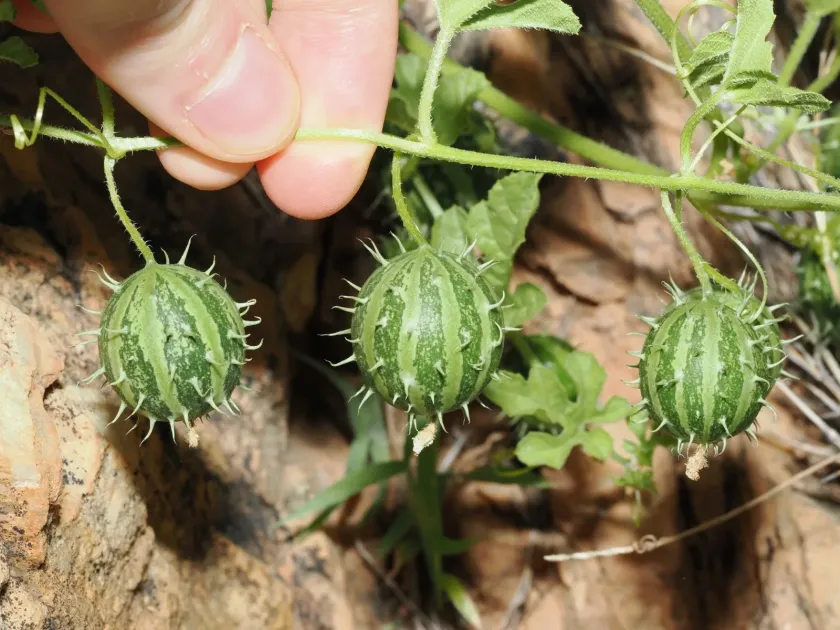
Description
Sowing dates
Cucumis myriocarpus, commonly known as the myriocarpa cucumber, is an annual climbing plant belonging to the Cucurbitaceae family. It is native to arid regions of Southern Africa, where it has evolved to thrive in sandy and nutrient-poor soils.
Sowing should only occur once the risk of frost has passed completely and soil temperatures have warmed significantly. In most climates, this involves waiting until late spring to ensure stable thermal conditions for rapid germination.
Seeds are typically sown at a depth of 2–3 cm in well-prepared, loose soil. Given the sprawling nature of the plant, sufficient spacing between rows is essential to accommodate its extensive vine development and to allow for adequate airflow.
Starting seeds indoors in containers can be beneficial for regions with shorter growing seasons, although the plant has a sensitive root system that does not respond well to disturbance. Transplanting must be done with extreme care.
The plant grows relatively slowly in its initial phase, requiring consistent management to ensure it is not overtaken by competing weeds. Careful site selection is crucial, as the plant demands maximum exposure to sunlight for healthy development.
Growing requirements
Myriocarpa cucumber thrives in environments with high light intensity and prolonged daylight hours. Any form of shading or obstruction will significantly reduce its growth rate and the total number of fruits produced per plant.
Soil requirements focus on excellent aeration and drainage. While the species is adapted to harsh, dry conditions, it performs best in light, sandy soils that allow for rapid drainage, as waterlogging is a primary cause of root failure.
Watering should be balanced; while the species is drought-tolerant, supplemental irrigation during the peak flowering and fruit-setting stages can improve output. Over-watering must be strictly avoided to prevent root and stem rot.
The optimal temperature range for the active growing season is between 22°C and 30°C. Lower temperatures tend to cause physiological stress, which manifests as stunted growth and an increased susceptibility to various pathogens.
Moderate fertilizing with a balanced NPK fertilizer can support growth, though excessive nitrogen should be avoided to prevent rank foliage growth at the expense of fruit production. Soil pH should remain in the neutral range for optimal nutrient uptake.
Main diseases and pests
Powdery mildew is a common fungal threat to the myriocarpa cucumber, especially in humid conditions with poor circulation. Regular inspection and maintaining appropriate plant spacing are critical preventive measures.
Pests such as aphids and spider mites are frequent invaders, particularly in dry and hot weather. These insects sap the plant's vitality, leading to discolored and deformed leaves, which can severely compromise overall plant health.
Root rot pathogens are a persistent danger, primarily triggered by poor soil drainage and incorrect irrigation schedules. To manage this risk, it is essential to allow the soil surface to dry out between watering sessions.
The plant may also be susceptible to various viral infections transmitted by insect vectors. Implementing an integrated pest management strategy is highly recommended to mitigate these risks without over-relying on synthetic chemicals.
Consistent monitoring and timely removal of any infected plant material are standard protocols to prevent the spread of diseases within the cultivation area, ensuring the long-term success of the crop.