
Cucumis hirsutus
Cucumis hirsutus Sond.
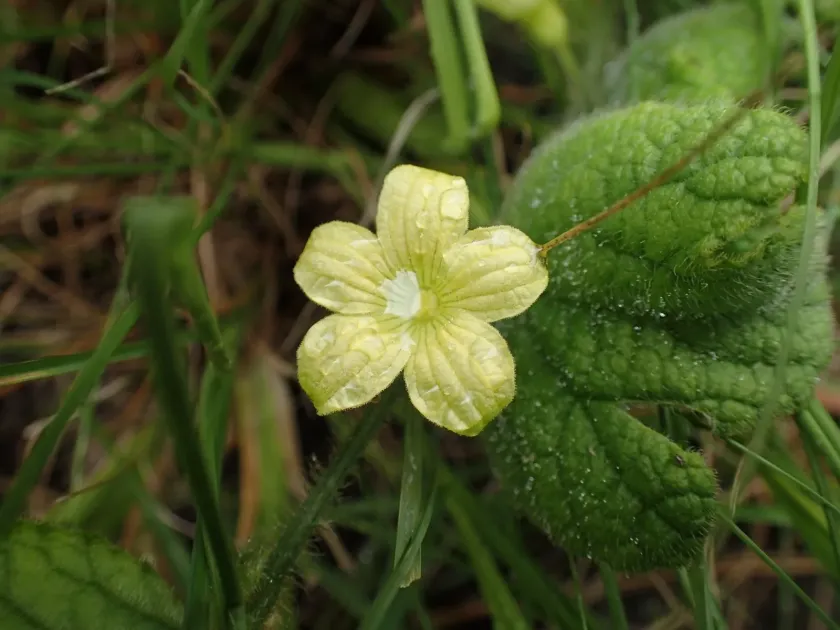
Description
Growing requirements
Cucumis hirsutus, commonly known as the hairy cucumber, is a perennial plant belonging to the Cucurbitaceae family. This species is native to sub-Saharan Africa and is recognized as a significant relative of the common cucumber.
The plant exhibits a creeping or climbing growth habit, characterized by stems and leaves covered in dense, coarse hairs. This pubescence serves as a protective mechanism against intense solar radiation and certain insect pests in its natural habitat.
In terms of agricultural requirements, this species thrives in well-drained, sandy-loam soils. It shows a high tolerance for drought conditions, supported by the development of tuberous roots that store vital nutrients and moisture for survival during dry seasons.
Optimal growth requires high temperatures and abundant sunlight, making it highly suitable for tropical and subtropical climates. In controlled environments, providing consistent warmth is essential for successful vegetative development and flowering.
The species is primarily utilized as a source of genetic material for breeding programs. Researchers value it for its natural resistance to environmental stressors and specific pathogens, which can be introgressed into commercial cucumber varieties.
Main diseases and pests
Cucumis hirsutus is susceptible to various fungal pathogens, particularly when grown in conditions with poor ventilation. Powdery mildew can quickly affect the foliage if relative humidity levels remain persistently high without air circulation.
Spider mites are common pests that thrive in the hot and dry conditions that this plant naturally prefers. Regular monitoring is necessary to prevent the rapid buildup of mite populations, which can significantly damage the leaf tissue.
Root rot is a major threat if the plant is grown in heavy, waterlogged soils. Ensuring excellent drainage is the most effective cultural method to protect the root system from decay caused by oomycetes or soil-borne fungi.
Viral infections transmitted by whiteflies and aphids pose a significant risk to plant health. Controlling these insect vectors is critical in maintaining a healthy crop, especially when cultivating the species for scientific or experimental purposes.
Mechanical damage to the stems and leaves can create entry points for secondary bacterial infections. Therefore, careful handling and strict sanitation practices are recommended during any agricultural interventions or sampling procedures.