
Dudaim melon
Cucumis melo L. subsp. melo var. flexuosus (L.) Naudin
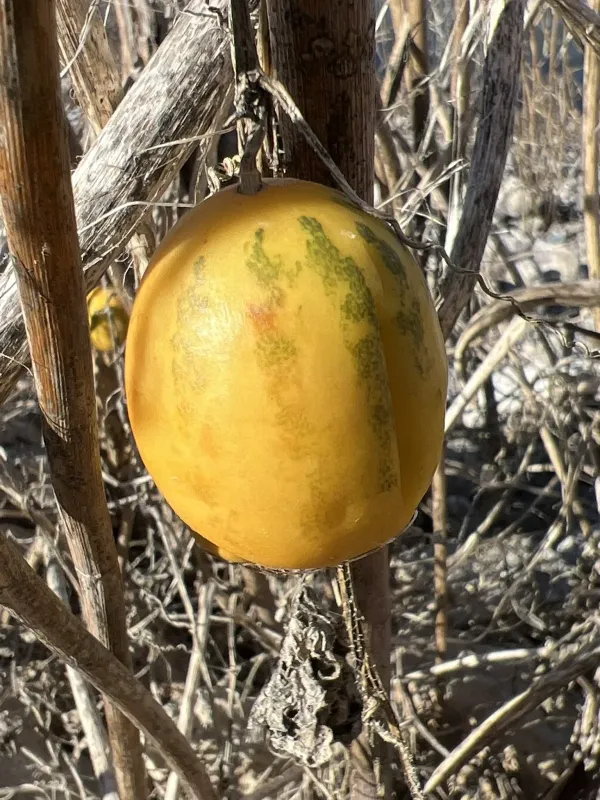
Description
Sowing dates
Dudaim melon seeds should be sown in open ground only after all frost danger has passed and the soil has thoroughly warmed up to at least 15-18°C.
In regions with cooler climates, it is recommended to start seeds indoors in individual peat pots to ensure healthy root development before transplanting.
Transplanting should be handled with extreme care, as the root system of Cucumis melo is highly sensitive and prone to shock during disturbance.
Sowing depth should be approximately 1-2 centimeters, ensuring the soil remains consistently moist but not waterlogged until germination occurs.
Provide sufficient space between individual plants, typically 80 to 100 centimeters, to accommodate the sprawling vine nature of the plant.
Growing requirements
This species requires full sun exposure for at least 6 to 8 hours daily to achieve optimal development and fruit fragrance.
Well-drained, fertile soil rich in organic matter is essential for vigorous growth, with a preferred pH range between 6.0 and 7.0.
While mature plants display moderate drought tolerance, consistent moisture during the flowering and fruit-setting stages is necessary for high-quality production.
Avoid excessive nitrogen fertilizers, which may encourage lush foliage growth at the expense of fruit production and overall flavor intensity.
Mulching the soil around the base of the plant helps maintain soil temperature and prevents excessive evaporation during hot summer days.
Main diseases and pests
Powdery mildew and downy mildew are the most common fungal threats, especially in humid conditions with poor air circulation.
Aphids and spider mites are frequent pests that can quickly weaken the plant by feeding on the sap from the underside of the leaves.
Root rot caused by soil-borne pathogens can be devastating if drainage is insufficient, leading to rapid wilting of the vine.
Integrated pest management strategies, such as using horticultural oils or introducing beneficial insects, are recommended to maintain plant health.
Crop rotation practices should be strictly followed to minimize the buildup of persistent soil-borne pathogens common to the Cucurbitaceae family.
Harvesting
The fruit of the Dudaim melon is typically harvested when it turns a vibrant color and emits its characteristic, highly aromatic scent.
While technically edible, these melons are primarily grown for their ornamental value and intense fragrance rather than culinary consumption.
Proper harvesting involves cutting the stem with shears rather than pulling, which helps preserve the integrity of the fruit and prolongs shelf life.
Harvested fruits are popularly used as aromatic centerpieces or decorative items in seasonal displays throughout the home.
Properly cured and stored in a cool, dry place with excellent ventilation, the fruits can maintain their decorative appearance for several weeks.