
Kiwano
Cucumis metuliferus E. Mey. ex Naudin
Description
Sowing dates
Kiwano is a heat-loving plant that requires stable warm temperatures to germinate. Seeds should be sown indoors in biodegradable pots about 4 to 6 weeks before the last expected frost date.
The optimal temperature for seed germination is between 25°C and 28°C. Using a heating mat can significantly increase the success rate of germination during early spring.
Transplanting should be done carefully to avoid disturbing the sensitive root system. It is best to move the seedlings to their permanent location once the soil has warmed up to at least 18°C.
In regions with shorter summers, planting through black plastic mulch is recommended to retain heat in the soil and suppress weed growth around the root zone.
Spacing is critical for this vigorous vine. Plants should be placed at least 80–100 cm apart if they are to be trained on a trellis or allowed to spread horizontally in a large area.
Growing requirements
Kiwano, also known as the horned melon, is an annual vine in the Cucurbitaceae family. It thrives in tropical and subtropical climates and requires full sun to produce high-quality fruit.
The soil should be well-draining, fertile, and rich in organic matter. A pH level between 6.0 and 6.8 is considered ideal for nutrient uptake and healthy vine development.
Regular irrigation is essential, especially during the flowering and fruit-setting stages. However, water should be applied at the base of the plant to keep foliage dry and prevent diseases.
Trellising is highly recommended for kiwano. Keeping the vines off the ground prevents fruit rot, makes harvesting easier, and improves air circulation throughout the foliage.
Nutrient management involves balanced fertilization. Phosphorus and potassium are especially important once the plant begins to form flowers to ensure a robust yield of quality fruit.
Yield
A single healthy kiwano vine can produce between 30 to 50 fruits under ideal growing conditions. Each fruit typically weighs between 200 and 400 grams depending on the variety.
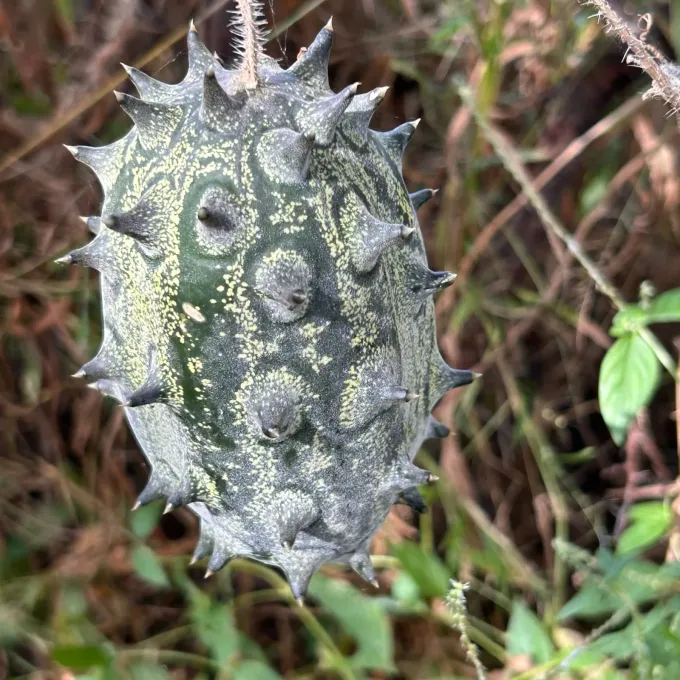
The fruit's unique exterior features spikes, turning from a deep green to a vibrant orange-yellow when fully ripe. The flesh inside is lime-green, gelatinous, and full of nutritious seeds.
Commercial yield is optimized by maintaining a consistent climate in greenhouses. The plant's ability to produce fruit over a long period makes it a popular choice for high-value exotic markets.
The shelf life of kiwano is exceptional compared to other cucurbits. Fruits can remain at room temperature for several months, provided they are kept dry and away from direct sunlight.
This durability makes kiwano an excellent product for international export, as it can withstand transport without significant bruising or spoilage, unlike many other soft-skinned exotic fruits.
Main diseases and pests
Common pests affecting kiwano include aphids, spider mites, and whiteflies. These insects can rapidly infest the vines, particularly in dry and poorly ventilated greenhouse environments.
Fungal diseases like powdery mildew are prevalent if leaves stay wet for extended periods. Pruning the lower leaves can help improve air circulation and reduce the risk of infection.
Root-knot nematodes can be a serious problem in sandy soils. Using crop rotation and soil solarization before planting can effectively manage these soil-borne pests.
Cucumber mosaic virus is a major concern, often transmitted by aphids. Infected plants exhibit stunted growth and mottled leaves and should be removed promptly to prevent spread.
Integrated Pest Management (IPM) strategies, including the use of sticky traps and biological control agents like predatory mites, are recommended for sustainable kiwano cultivation.
Harvesting
Harvesting should be timed when the skin transitions to a deep, uniform orange or bright yellow. Fruits harvested too early may lack the expected sweetness and complex flavor profile.
Always use a sharp blade to cut the fruit from the vine, leaving a short section of the stem attached. This prevents the "wound" from rotting and maintains the fruit's integrity.
For late-season harvests, fruits can be picked slightly green and stored in a warm, dry place. They will continue to ripen and change color over several weeks of storage.
Gloves are recommended during the harvest process due to the sharp, horn-like spines on the fruit's surface. Handling should be gentle to avoid puncturing adjacent fruits in the container.
Once harvested, kiwano should be stored in a cool, well-ventilated area. Avoid refrigeration, as low temperatures can damage the fruit's texture and overall quality over time.