
Capsicum rabenii
Capsicum rabenii Sendtn.
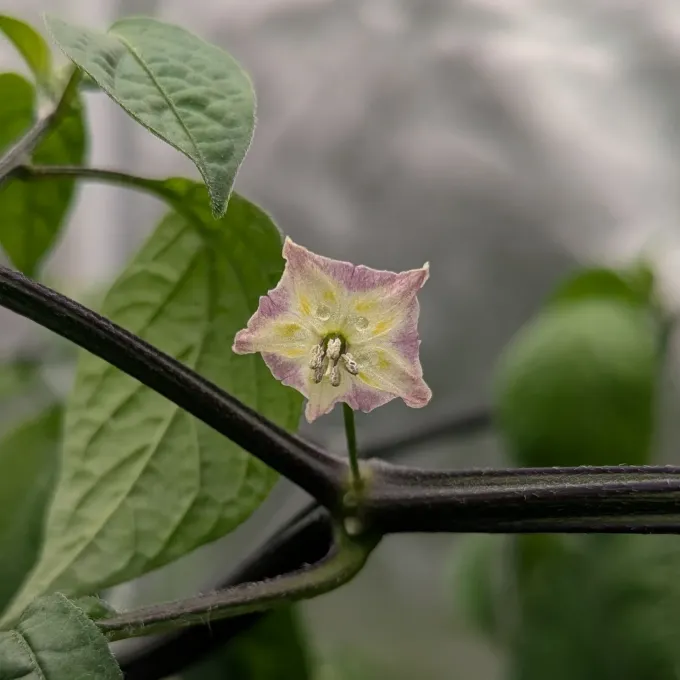
Description
Sowing dates
Capsicum rabenii is a wild species of the Solanaceae family, primarily originating from specific regions in South America where it grows in tropical conditions.
Seeds of this wild pepper have a long dormancy period, so they often require careful preparation and pre-germination techniques to ensure a higher success rate.
Sowing should be done in early spring using a well-draining, sterile potting mix to prevent early damping-off disease in young seedlings.
Constant bottom heat is recommended during the germination process, keeping the soil temperature steady between 25°C and 28°C for several weeks.
Once seedlings have two sets of true leaves, they can be carefully transplanted into individual pots to allow for adequate root development.
Growing requirements
This crop thrives in warm, humid environments, similar to its native tropical habitat, requiring consistent protection from cold temperatures.
The ideal soil should be loose, rich in organic matter, and slightly acidic, ensuring excellent drainage to avoid waterlogging the roots.
High levels of light are essential for the plant to grow vigorously; without sufficient natural sunlight, supplemental artificial lighting is necessary.
Watering must be managed carefully, ensuring the soil remains moist but never saturated, as the species is sensitive to root zone anaerobic stress.
Regular ventilation is crucial in indoor environments to maintain adequate CO2 exchange and reduce the risk of fungal infections.
Yield
- Wild peppers of this species produce small, pungent fruits.
- Yield is generally lower than that of commercial Capsicum annuum varieties.
- Fruits are often valued for their intense flavor and heat in specific culinary applications.
- Production is highly dependent on environmental stability and pollination success.
- Harvesting is typically performed selectively as fruits reach maturity.
Main diseases and pests
Common pests like aphids and spider mites can cause significant damage to the foliage, especially when grown in protected conditions like greenhouses.
Whiteflies are another major threat, acting as vectors for various viral diseases that can stunt the plant's growth and reduce overall vigor.
Fungal pathogens such as Phytophthora can cause collar rot, particularly in damp and poorly ventilated growing environments.
Maintaining proper hygiene and using disease-free seed stock are essential strategies to manage the risks posed by soil-borne pathogens.
Integrated pest management (IPM) practices, including the use of beneficial insects, are highly effective in controlling pest populations on this species.
Harvesting
Harvesting Capsicum rabenii is usually a manual process, as the small fruits ripen unevenly over a prolonged period of time.
Fruits should be picked when they reach their full characteristic color, which is a key indicator of peak flavor development and spice content.
Care should be taken to avoid damaging the brittle branches during harvest, as the plant can continue to produce flowers and fruit throughout the season.
Post-harvest handling requires dry, cool storage conditions to maintain the quality and pungency of the harvested fruits.
Due to their small size, the fruits are often dried or used for processing into specialized powders and extracts.